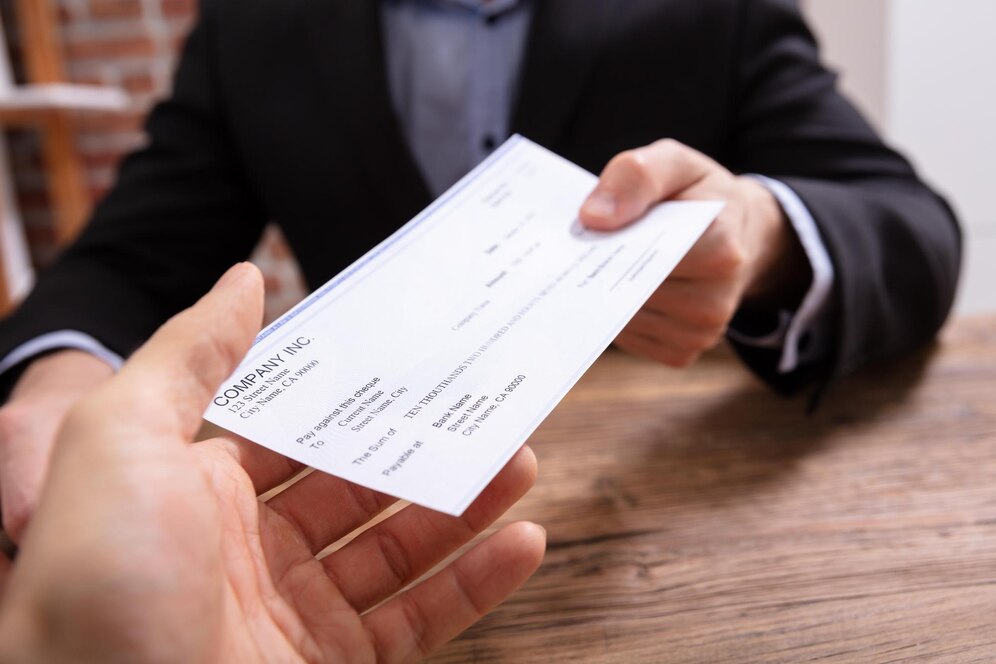
As per the NI Act, 1881, Section 138, ” cheque bounce” or ” cheque dishonour” is a crime. As much as you could be the payee (the individual who is to receive the money) or the drawer (the individual who wrote the check), it is highly necessary to be aware of your rights, responsibilities, and legal alternatives.
This blog explains the whole procedure of a cheque bounce case in Delhi, from sending a legal notice to making a complaint and going to court. It also shows how professional Cheque bounce lawyers in Delhi help you at every step, making sure that your case is submitted appropriately and handled quickly.
What is a Cheque Bounce?
The bank sends back a check because the account is closed, there isn’t enough money in the account, or the signature doesn’t match. This is known as a “bounce.” It’s not just a money issue when this happens; it’s also a law issue under Section 138 of the Negotiable Instruments Act. If the check is not honoured because there isn’t enough money in the account or because the amount is more than the account balance, the section makes it a crime.
Common Causes of Cheque Bounce
Insufficient Funds
The most common reason is that the issuer’s account doesn’t have enough money to cover the check.
Signature Mismatch
If the signature on the check doesn’t match what the bank has on file, the check may be rejected.
Post-dated Cheques
Presenting a check before the date on it is dishonour.
Overwriting or Alteration
Making changes to a check without sufficient authentication might make it invalid.
Account Closure
If the check comes from a closed account, it will bounce.
Stop Payment Request
The bank will not respect the check if the issuer tells them to stop payment.
Role of a Cheque Bounce Lawyer
Cheque bounce lawyers who handle cheque bounce situations an experts in the field. Their duties and functions include:
1. Legal Consultation
Giving the payee legal counsel on the case’s merits and the best line of action, such as whether to send a cheque bounce notice.
2. Drafting and Sending Notice
Making and mailing the demand notice to the drawer in accordance with the law.
3. Filing the Complaint
Writing the criminal charge and getting it to the right court on time is very important.
4. Court Representation
Acting as the payee in court, giving evidence, asking witnesses, and arguing legal arguments.
5. Negotiation and Settlement
If you can, attempt to make a deal with the drawer without going to court to get an answer quickly.
6. Ensuring Compliance
Making sure that the individual who owes money gets the proper amount of money or penalty, as the court said.
Final Thoughts
The parties concerned in cheque bounce instances may experience financial and legal hardship. You should hire lawyers for bounced check situations to make things easier. Hiring a good cheque bounce lawyer may make things a lot easier and ensure that justice is done and your damages are as small as possible. If you’re a payee trying to get your money back or a drawer facing legal action, you need a good Cheque bounce lawyer at Patrons Legal to help you navigate the legal system and get the best possible outcome.