In the ever-evolving world of home interiors, the kitchen has emerged as the focal point of modern homes. Gone are the days when kitchens were merely spaces for cooking. Today, they are hubs of style, functionality, and innovation. Among the various trends transforming homes, modular kitchen design stands out as a revolutionary concept, combining aesthetics, efficiency, and convenience.
What is Modular Kitchen Design?
Modular kitchen design refers to a system where the kitchen is divided into modules or units, each serving a specific function. These modules include cabinets, drawers, shelves, countertops, and storage solutions that can be customized according to the space and user requirements. Unlike traditional kitchens, which are often rigid and built on-site, modular kitchens are pre-fabricated and installed in a structured manner, offering a blend of efficiency and flexibility. This approach allows homeowners to maximize every inch of available space while maintaining a clean and organized look.
The Rise of Modular Kitchens
In recent years, urbanization and changing lifestyles have driven the popularity of modular kitchens. With space constraints becoming a common challenge in apartments and compact homes, homeowners are seeking smart solutions that do not compromise on design or utility. Modular kitchen design addresses this need by offering tailored storage solutions, ergonomic layouts, and modern finishes that adapt to both small and large spaces. The adaptability of modular kitchens ensures that even unconventional kitchen shapes can be optimized for functionality.
Advantages of Modular Kitchen Design
One of the primary benefits of adopting a modular kitchen design is its organizational efficiency. Each module is designed to store specific items, from spices and utensils to cookware and appliances. This ensures that every item has a dedicated space, reducing clutter and enhancing workflow. The design also promotes convenience, as items can be accessed easily without excessive bending or stretching. Additionally, modular kitchens are highly customizable. Homeowners can select materials, finishes, and colors that complement their home’s interior style, creating a cohesive and aesthetically pleasing environment.
Another significant advantage of modular kitchens is their ease of maintenance. The pre-fabricated units are often made from materials that are resistant to stains, scratches, and moisture, ensuring longevity and durability. Cleaning becomes effortless, and repairs or replacements can be handled with minimal disruption, unlike traditional kitchens that may require extensive remodeling.
Contemporary Materials and Finishes
The appeal of modular kitchen design is further enhanced by the use of contemporary materials and finishes. High-quality laminates, tempered glass, stainless steel, and engineered wood are commonly used to provide durability, elegance, and a modern touch. These materials not only add to the visual appeal of the kitchen but also ensure that the modules can withstand the daily rigors of cooking and cleaning. The choice of finishes, from matte to glossy, allows homeowners to create a kitchen that reflects their personal style, whether it is minimalist, rustic, or contemporary.
Smart Kitchen Integration
Technology has also found its place in modern kitchens. Modular kitchen design today often incorporates smart appliances, LED lighting, sensor-based taps, and automated storage solutions. These technological integrations enhance efficiency and add a futuristic touch to the kitchen. For instance, pull-out cabinets with soft-close mechanisms, rotating corner units, and adjustable shelves ensure maximum usability while maintaining a sleek appearance. By integrating smart solutions, modular kitchens not only save time but also make daily kitchen activities more enjoyable and less labor-intensive.
Design Flexibility and Personalization
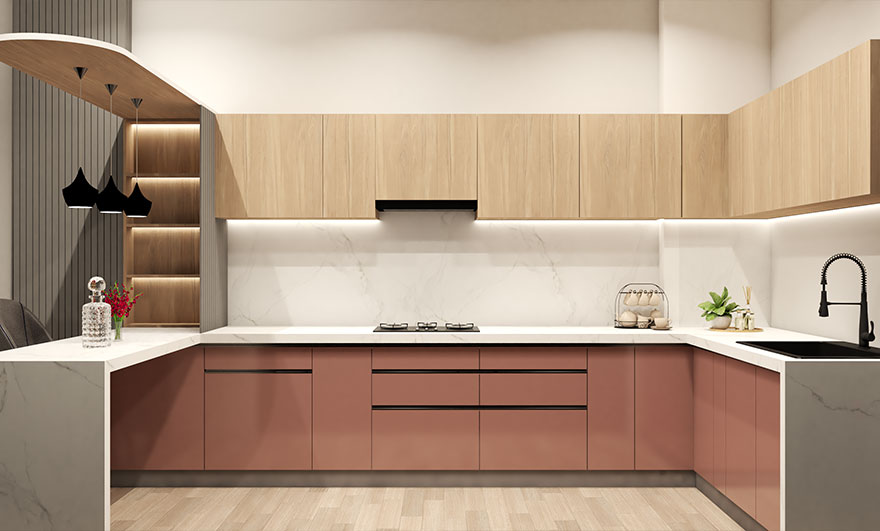
One of the most compelling aspects of modular kitchens is the ability to personalize and adapt the layout according to individual needs. Whether it is an L-shaped, U-shaped, or straight kitchen, the modules can be configured to suit the available space. This flexibility is particularly beneficial for families who require both storage and countertop space while maintaining a seamless flow. Additionally, homeowners can choose colors, textures, and finishes that complement their overall interior design theme, resulting in a kitchen that is both functional and visually striking.
Sustainability and Eco-Friendly Options
Sustainability has become a crucial factor in modern home design, and modular kitchens are no exception. Many modular kitchen units are now crafted using eco-friendly materials, low-VOC laminates, and sustainable wood options. This not only reduces the environmental footprint but also ensures a healthier kitchen environment. By choosing sustainable materials, homeowners can enjoy a stylish kitchen without compromising on environmental responsibility.
Enhancing Home Value
Investing in a modular kitchen design can significantly enhance the value of a home. Prospective buyers often look for homes that offer modern amenities, and a well-designed modular kitchen is a strong selling point. Its combination of aesthetic appeal, functionality, and efficient use of space makes the property more attractive, potentially increasing its market value. Homeowners not only enjoy the benefits of a functional and beautiful kitchen but also see a positive impact on the overall value of their property.
Future Trends in Modular Kitchens
As lifestyles continue to evolve, the modular kitchen design is expected to incorporate even more innovative features. Trends such as space-saving storage, multi-functional islands, integrated appliances, and customizable lighting solutions are gaining popularity. Additionally, advancements in smart home technology will continue to influence kitchen design, making it more interactive, responsive, and energy-efficient. The focus will remain on combining elegance with practicality, ensuring that kitchens remain a central and vibrant part of the home.
Conclusion
The shift towards modular kitchen design represents a broader trend in home interiors, where functionality meets style. By offering customization, technological integration, sustainability, and convenience, modular kitchens cater to the modern homeowner’s lifestyle and preferences. Investing in such a design is not just about upgrading a kitchen; it is about transforming a home into a space that balances beauty, efficiency, and comfort. As the future unfolds, modular kitchens will continue to redefine home interiors, establishing themselves as a cornerstone of modern living.