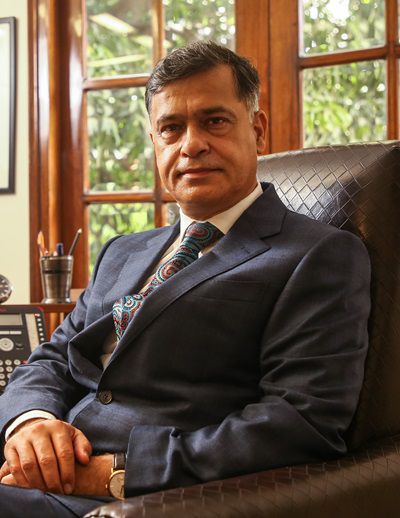
The criminal justice system in India is once again under the spotlight, as the Supreme Court confronts a chronic and troubling problem: long delays in framing charges in criminal trials. Recently, the Court took decisive action by appointing senior advocate Sidharth Luthra as amicus curiae — an independent “friend of the court” — to help chart out pan-India guidelines and ensure statutory timelines under BNSS are actually enforced.
What Triggered This Intervention?
Under BNSS, Section 251(b) mandates that when a case is triable exclusively by a Sessions Court, formal charges must be framed within 60 days of the first hearing on the charge. However, recent observations have revealed a troubling reality: courts across the country have repeatedly missed this deadline. Charges haven’t been framed even years after a charge-sheet was filed — effectively halting the trial before it even began.
In one case before the Court, the accused had remained in custody for nearly two years — yet formal charges had not been framed.
Such prolonged delay stalls the entire trial, leading to indefinite pre-trial detention or stagnation of cases, undermining both the accused’s right to a prompt trial and the victim’s right to timely justice. The consequences extend beyond individual cases, stacking up a huge backlog on our courts, and eroding public trust in the criminal justice system.
Recognizing these structural flaws, the Court — led by a bench comprising Justices Aravind Kumar and N. V. Anjaria — has resolved to act decisively. It declared its intention to issue nationwide guidelines to enforce timely charge framing, and, to aid this complex exercise, appointed sidharth luthra cases as amicus curiae.
Role of the Amicus Curiae: Why Sidharth Luthra?
An “amicus curiae” — literally “friend of the court” — is appointed to provide impartial advice, independent research, and expert perspective to assist judicial decision-making. In this context, the Court has tasked Luthra with conducting a systemic review, collecting data across High Courts and district courts, and diagnosing structural impediments that lead to undue delay in charge-framing.
Given his distinguished background in criminal law, constitutional litigation, and academia, Luthra’s role brings both gravitas and a strong foundation for balanced reform. His approach emphasizes evidence-based assessment rather than anecdotal complaints — a crucial step for crafting reforms that are practical, fair, and implementable across India’s diverse judicial landscape.
Through his engagement, the Court aims to understand where exactly the breakdown occurs — whether in prosecution readiness, judicial capacity, case-management systems, or procedural bottlenecks — and then chart out guidelines that address root causes rather than symptoms.
The Stakes: What Delay in Charge Framing Means
The implications of such delays are profound and wide-ranging:
- Undertrial Detention: Thousands of accused persons languish in jail for months or years without formal charges, severely compromising the right to a speedy trial and often leading to mental, social and economic hardship.
- Justice Denied to Victims: Delays stall the entire trial process, meaning victims may wait indefinitely for resolution. Evidence may get lost, witnesses become unavailable, and the risk of case collapse rises.
- Case Backlog & Judicial Overload: Thousands of pending cases accumulate simply because trials cannot commence. This contributes to backlog, clogging courts at every level.
- Violation of Statutory Rights: The BNSS’s 60-day timeline reflects a legislative intent to ensure swift legal processes. Failure to adhere reduces the statute to a “rulebook” rather than enforceable law.
What the Supreme Court Proposes
The Court’s intervention is more than symbolic. Among the steps being considered:
- Issuance of nationwide guidelines to enforce the 60-day charge framing rule uniformly.
- Monitoring mechanisms through High Courts — including data-collection and compliance reports from district and sessions courts.
- Ensuring prompt handling of discharge petitions, if required, to avoid unnecessary continuation of cases.
- Addressing procedural and infrastructural gaps — such as backlog, court staffing, case-management systems — that contribute to delays.
In effect, the Court seeks to convert what has been a discretionary, ad hoc practice into a uniform, time-bound system — ensuring that criminal trials begin promptly after chargesheets are filed.
What This Means for Stakeholders
For the Accused: Especially undertrials, this could mean a faster start to trials or even relief from prolonged incarceration without formal charges.
For Victims & Complainants: Timely framing of charges will improve the prospects of swift justice, preserving evidence and ensuring legal proceedings begin without undue delay.
For Courts & Judiciary: Reduced backlog, better case flow, and clearer accountability. A uniform guideline will streamline procedures across states and courts.
For Legal & Human Rights Community: The Supreme Court’s move could mark a significant step toward strengthening procedural fairness and safeguarding constitutional rights.
Broader Implications — Strengthening India’s Criminal Justice
The issue of delayed charge framing is not new — but the current action may mark a turning point. In aligning judicial procedure with legislative mandates under BNSS, the Supreme Court is about to reassert the importance of timely justice. By involving an amicus curiae and seeking to institutionalize best practices, the Court recognizes that sporadic judicial action cannot solve systemic inertia.
If implemented effectively, these reforms can reduce undertrial overcrowding, speed up trial processes, restore faith in the justice system, and prevent procedural lapses that disadvantage both the accused and victims. The Indian criminal justice system may be on the cusp of a significant transformation — one where statutory timelines are respected, and procedural justice becomes more than a promise on paper.
Conclusion
The Supreme Court’s decision to appoint Sidharth Luthra as amicus curiae, and its readiness to issue pan-India guidelines on charge framing under BNSS, reflects an urgent response to a structural crisis in criminal adjudication. With thousands of cases languishing, individuals in custody for years without formal charges, and courts overwhelmed by pendency — this reform could be the foundation for a more just, efficient and humane legal system. As the legal community, civil society and citizens watch closely, the hope is that India moves from rhetoric to action — ensuring that the right to a fair and speedy trial is not just a constitutional ideal, but a lived reality.