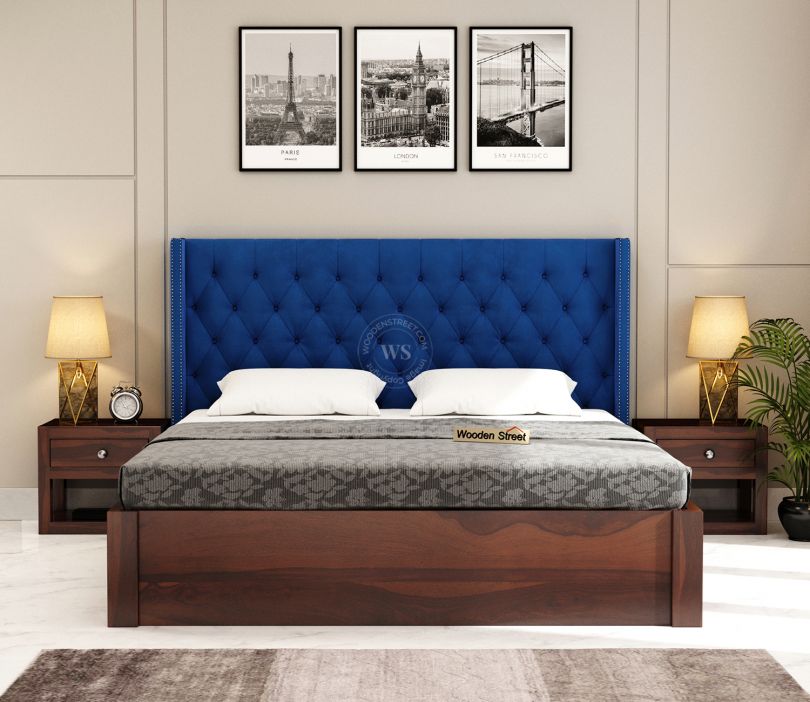
Sleep is no longer seen as just rest it is now recognized as a foundation for physical health, mental clarity, and emotional balance. As lifestyles become more demanding and screen time increases, the quality of our sleep has taken center stage. While many people focus on mattresses and pillows, one crucial element often goes unnoticed: the design of the bed itself.
Modern ergonomic bed designs are transforming bedrooms into wellness spaces. From posture support to stress reduction, the right bed structure can make a significant difference in how well we sleep and how refreshed we feel each morning. This article explores how engineered comfort through thoughtful bed design improves sleep quality and why today’s homeowners are shifting toward smarter, more functional bed choices.
Understanding Ergonomic Bed Design
Ergonomic bed design is about aligning furniture with the natural needs of the human body. It focuses on posture, movement, pressure distribution, and ease of use. Unlike traditional beds that prioritize appearance alone, ergonomic beds are created to support the spine, reduce muscle tension, and adapt to individual sleeping habits.
Whether you choose a simple bed design for a minimal bedroom or a modern bed design with advanced features, ergonomics ensures that your bed works with your body rather than against it.
Why Bed Design Matters for Sleep Quality
Many sleep problems are linked not to medical conditions but to poor sleeping environments. A bed that lacks proper height, structure, or support can cause discomfort that interrupts deep sleep cycles.
Here’s how design directly impacts sleep quality:
- Maintains correct spinal alignment
- Reduces pressure on hips, shoulders, and lower back
- Minimizes unnecessary movement during sleep
- Supports easy entry and exit from the bed
- Enhances airflow and temperature control
A well-designed bed does more than hold a mattress. It becomes an essential part of your body’s recovery system.
The Science Behind Ergonomic Comfort
During sleep, the body repairs muscles, regulates hormones, and consolidates memory. These processes depend on uninterrupted rest. When the bed fails to support the body correctly, even the most premium mattress cannot perform effectively.
Ergonomic bed frames are engineered to:
- Distribute weight evenly
- Prevent mattress sagging
- Absorb micro-movements
- Reduce pressure point buildup
This structural stability helps sleepers maintain deeper sleep stages for longer durations, leading to better energy levels and reduced morning stiffness.
Simple Bed Design: Minimalism with Maximum Comfort
A simple bed design is often associated with clean lines and understated elegance, but its real strength lies in functionality. Minimal designs eliminate unnecessary elements that can interfere with comfort and movement.
Benefits of simple ergonomic bed designs include:
- Easier cleaning and maintenance
- Improved room ventilation
- Lightweight yet durable structures
- Reduced visual clutter, promoting mental relaxation
For people who prefer calm, clutter-free spaces, simplicity in bed design contributes not just to physical comfort but also to psychological ease before bedtime.
Modern Bed Design: Where Technology Meets Rest
The modern bed design has redefined how we think about bedroom furniture. Today’s beds are no longer static frames; they are dynamic systems built to enhance comfort and lifestyle.
Key ergonomic features in modern bed designs include:
- Adjustable head and foot sections
- Built-in lumbar support
- Smart storage that reduces room congestion
- Noise-free joints and mechanisms
- Breathable materials for temperature balance
Some advanced designs even integrate sleep-tracking technology and lighting controls, allowing users to create a personalized sleep environment that adapts to their routine.
The Role of Height and Structure in Comfort
Bed height plays a critical role in daily comfort. Beds that are too low can strain the knees and back when getting up, while overly high beds may feel unstable.
Ergonomic bed designs usually follow a height range that allows:
- Feet to rest flat on the floor when seated
- Knees to bend naturally at a 90-degree angle
- Easy transfer from standing to sitting position
Structural integrity is equally important. A solid frame prevents motion transfer, ensuring that movement on one side of the bed does not disturb the other sleeper.
Visual Comfort and Its Impact on Sleep
Many buyers start their search with a bed design photo, focusing on aesthetics. While looks matter, visual comfort also influences mental relaxation.
Soft edges, balanced proportions, and calming colors create a sense of safety and stability in the bedroom. When the brain associates the bed with comfort and tranquility, it becomes easier to fall asleep faster and stay asleep longer.
Design elements that enhance visual comfort include:
- Rounded corners instead of sharp edges
- Neutral or earthy tones
- Natural materials like wood and fabric
- Symmetrical headboard designs
A visually soothing bed supports emotional well-being, which directly impacts sleep quality.
Latest Bed Design Trends Focused on Ergonomics
The latest bed design trends reflect a growing awareness of wellness-centered living. Instead of choosing beds purely for luxury appeal, consumers are prioritizing health benefits.
Some popular ergonomic trends include:
- Floating bed frames that reduce visual heaviness
- Upholstered headboards with back support
- Low-noise hydraulic storage systems
- Modular beds that adapt to room layouts
- Eco-friendly materials that improve air quality
These innovations are not just design upgrades. They are responses to modern sleep challenges like stress, long work hours, and digital fatigue.
How Ergonomic Beds Improve Different Sleep Positions
Everyone has a preferred sleeping position, and bed design should accommodate all of them.
For Back Sleepers
Ergonomic beds support the natural curve of the spine, preventing lower back strain and promoting balanced posture.
For Side Sleepers
A stable frame allows the mattress to contour properly around shoulders and hips, reducing pressure points.
For Stomach Sleepers
Proper support prevents excessive arching of the lower back, minimizing discomfort and muscle fatigue.
By complementing the mattress, the bed frame ensures that the body remains supported regardless of sleeping style.
Storage Beds and Mental Clarity
Clutter is a silent sleep disruptor. A messy bedroom can increase stress levels and make it harder to unwind. Ergonomic storage beds address this issue by maximizing space efficiency.
Benefits of storage-focused bed designs include:
- Reduced need for extra furniture
- Cleaner, more open room layouts
- Better organization of essentials
- Enhanced airflow in the sleeping area
When the bedroom feels spacious and orderly, the mind naturally transitions into a more relaxed state, improving sleep onset and quality.
Durability and Long-Term Comfort
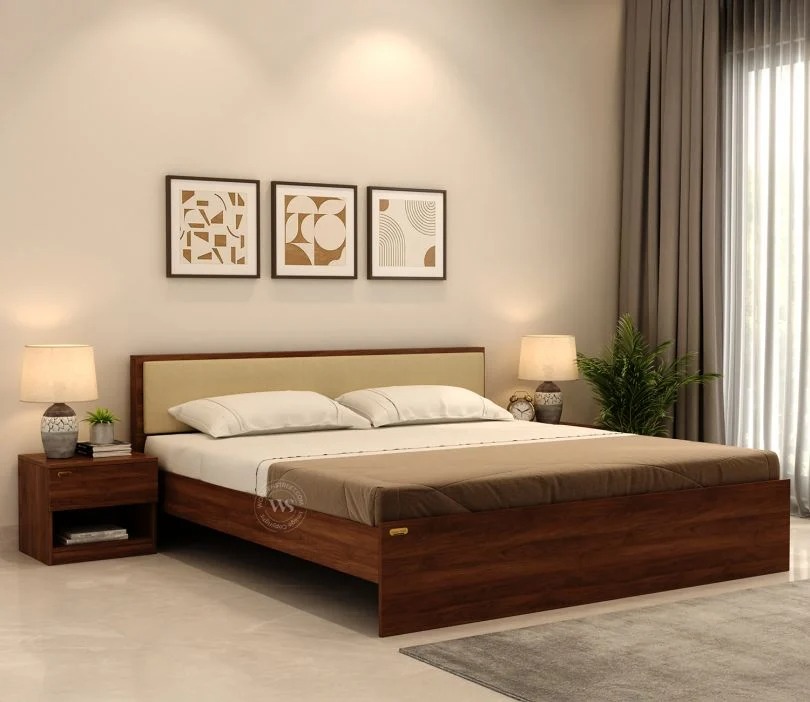
An often-overlooked aspect of ergonomic design is durability. A bed that loses stability over time can gradually affect posture and comfort without the sleeper even realizing it.
High-quality ergonomic beds are built with:
- Reinforced joints
- Balanced weight distribution
- Long-lasting materials
- Anti-squeak construction
This ensures consistent comfort year after year, making the bed a long-term investment in health rather than just a piece of furniture.
Choosing the Right Ergonomic Bed Design
When selecting a bed, focus on more than just appearance. Consider how the design will support your daily routine and long-term wellness.
Key questions to ask before buying:
- Does the bed height suit your mobility needs?
- Is the frame sturdy enough for your mattress type?
- Does the design allow easy movement and cleaning?
- Will the structure remain comfortable after years of use?
- Does it complement the overall sleep environment?
The best bed is one that feels natural to use, supports your body, and blends seamlessly with your lifestyle.
Final Thoughts: Comfort Is No Longer Optional
Sleep quality is one of the most powerful factors influencing productivity, mood, and overall health. As people become more conscious of wellness, the role of ergonomic bed design has grown significantly.
Whether you prefer a simple bed design for its minimal appeal or a modern bed design packed with features, the goal remains the same: better rest through better support. With thoughtful engineering, visually calming aesthetics, and body-friendly structure, today’s beds are not just furniture they are tools for healthier living.
Investing in an ergonomically designed bed is not about luxury. It is about giving your body the comfort it needs to recharge every night and perform better every day.