Introduction
Marine salvage services play a critical yet often unseen role in the maritime industry. When accidents occur at sea – such as vessel groundings, collisions, fires, or sinkings – salvage professionals are the first line of defense in protecting human life, preserving valuable assets, and minimizing environmental damage. In an era of increasing maritime traffic and stricter environmental regulations, marine salvage has become more important than ever.
Definition
Marine Salvage Services are professional operations focused on recovering, stabilizing, or removing vessels, cargo, or other property from the sea or navigable waters after accidents such as grounding, collision, sinking, or fire. These services aim to prevent further loss, protect the marine environment, and restore navigational safety, often involving specialized equipment, technical expertise, and emergency response capabilities.
What Are Marine Salvage Services?
Marine salvage services involve the recovery, stabilization, or removal of vessels and cargo that are damaged, stranded, or at risk at sea or in inland waterways. Salvage operations are typically carried out after maritime incidents such as:
- Ship groundings or strandings
- Vessel collisions
- Fires or explosions onboard
- Partial or complete sinkings
- Mechanical failures causing loss of maneuverability
- Cargo loss or shifting
- Oil spills or hazardous material releases
Unlike routine towing or ship assistance, salvage operations are complex, high-risk, and often conducted under extreme conditions. They require specialized equipment, skilled personnel, and advanced engineering solutions.
Protecting Human Life at Sea
The foremost priority of any marine salvage operation is the protection of human life. When a vessel is disabled or damaged, crews may be exposed to immediate danger from fire, flooding, toxic fumes, or harsh weather conditions.
Salvage teams work closely with coast guards, port authorities, and emergency responders to:
- Evacuate crew and passengers safely
- Stabilize vessels to prevent capsizing or sinking
- Provide firefighting and damage control support
- Establish safe working conditions during emergencies
By responding quickly and effectively, marine salvage professionals help prevent loss of life and reduce the severity of maritime disasters.
Saving Vessels and Valuable Assets
Ships represent massive financial investments, often worth millions or even billions of dollars. Cargo vessels, tankers, offshore platforms, and recreational yachts all require protection when accidents occur.
Marine salvage services aim to:
- Refloat grounded or stranded vessels
- Dewater flooded compartments
- Repair structural damage temporarily or permanently
- Secure and recover cargo
- Tow vessels to safe ports or repair facilities
Successful salvage operations can mean the difference between a vessel being returned to service or declared a total loss. For shipowners, insurers, and cargo interests, professional salvage services help reduce financial losses and business disruption.
Preventing Environmental Damage
One of the most critical roles of modern marine salvage is environmental protection. Damaged vessels can pose severe risks to marine ecosystems, especially if they carry fuel, oil, chemicals, or other hazardous materials.
Salvage teams are trained to minimize environmental impact by:
- Preventing or containing oil and fuel spills
- Removing pollutants from damaged vessels
- Stabilizing ships before they break apart
- Recovering hazardous cargo safely
- Working in compliance with environmental laws and regulations
In many cases, fast salvage intervention prevents minor incidents from escalating into large-scale environmental disasters that could harm marine life, coastal communities, and local economies.
Specialized Equipment and Expertise
Marine salvage operations require advanced technology and highly trained professionals. Salvage companies invest heavily in equipment and personnel to handle complex scenarios safely and efficiently.
Common salvage tools and resources include:
- Heavy-duty tugboats and salvage vessels
- Crane barges and lifting systems
- Diving and underwater cutting equipment
- Pumps and dewatering systems
- Firefighting and pollution-control gear
- Remote-operated vehicles (ROVs)
- Engineering and naval architecture expertise
Every salvage operation is unique, requiring careful planning, risk assessment, and coordination among multiple stakeholders.
Types of Marine Salvage Operations
Marine salvage services cover a wide range of operations, including:
Emergency Salvage:
Immediate response to prevent loss of life, sinking, or environmental damage. Speed is crucial in these cases.
Contract Salvage:
Pre-arranged agreements for vessel recovery, wreck removal, or cargo salvage under specific terms.
Wreck Removal:
Removal of sunken or abandoned vessels that pose navigational or environmental hazards.
Pollution Response Salvage:
Operations focused on controlling and cleaning up oil spills or hazardous material releases.
Harbor and Port Salvage:
Salvage activities conducted within ports or restricted waterways to keep trade routes open and safe.
Legal and Regulatory Considerations
Marine salvage operates within a complex legal framework governed by international conventions, national laws, and maritime contracts. Key principles include:
- Salvage awards: Compensation based on the value of property saved and the skill and risk involved
- No cure, no pay: Traditional salvage principle where payment depends on successful recovery
- Environmental salvage: Modern laws recognize efforts to prevent environmental damage even if property recovery is limited
Professional salvage companies understand these legal complexities and ensure operations are conducted lawfully and ethically.
Future Trends of Marine Salvage Services Market
Technological Advancements:
The marine salvage services market is increasingly adopting advanced technologies such as remotely operated vehicles (ROVs), drones, real-time vessel monitoring systems, and AI-based risk assessment tools. These innovations enhance operational efficiency, improve safety, and enable faster response during complex salvage operations.
Growing Focus on Environmental Protection:
Stricter environmental regulations and heightened awareness of marine conservation are shaping the future of salvage services. Companies are investing in eco-friendly salvage methods, advanced oil spill containment systems, and sustainable waste management practices to minimize environmental impact.
Rising Maritime Traffic and Offshore Activities:
The growth of global trade, offshore wind farms, and oil and gas exploration is driving demand for specialized marine salvage services. Increased vessel traffic raises the likelihood of accidents, making professional salvage support essential for maintaining maritime safety.
Integration of Digital and Smart Solutions:
Digitalization is transforming salvage operations through predictive maintenance, data analytics, and smart communication systems. These tools allow salvage providers to plan operations more accurately and reduce downtime during emergencies.
Expansion of Emergency Response Capabilities:
Future market growth will be supported by faster-response salvage networks and strategic partnerships with ports, insurers, and maritime authorities. This ensures rapid mobilization during emergencies and strengthens global maritime safety infrastructure.
Growth Rate of Marine Salvage Services Market
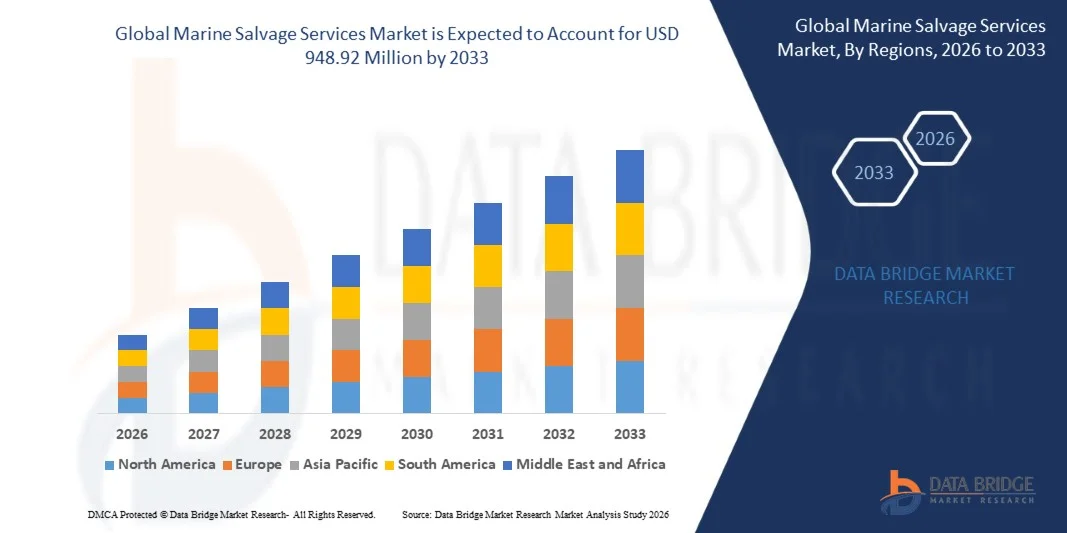
According to Data Bridge Market Research, the marine salvage services market was estimated to be worth USD 474.48 million in 2025 and is projected to grow at a compound annual growth rate (CAGR) of 9.05% to reach USD 948.92 million by 2033.
Learn More: https://www.databridgemarketresearch.com/reports/global-marine-salvage-services-market
Conclusion
Marine salvage services are a vital component of the maritime industry, safeguarding lives, protecting valuable assets, and preserving the marine environment. Though often operating behind the scenes, salvage professionals play a crucial role in ensuring safe and sustainable use of the world’s oceans.