The workplace has changed. Offices are no longer just desks and meeting rooms. They are shared spaces, hybrid hubs, collaboration centers, and secure environments that must balance experience with safety.
Employees expect smooth entry. Visitors expect fast check-ins. Security teams expect visibility. Reception teams expect fewer manual tasks.
Traditional paper logbooks and manual sign-ins cannot support these expectations. Integrated Visitor Management Technology is becoming essential for modern workplaces.
The Shift in Workplace Experience
Workplace experience now plays a direct role in employee satisfaction and brand perception. When a visitor walks into an office, the check-in process sets the tone.
A slow sign-in at reception creates friction. A smooth digital check-in creates confidence.
Hybrid work has also changed traffic patterns. Employees may come in only a few days per week. Clients, contractors, and partners move in and out more frequently. Offices must manage unpredictable visitor flow without increasing staffing costs.
Integrated visitor systems respond to these new patterns by automating processes that once required manual oversight.
Rising Security Expectations in Office Buildings
Security risks are more complex than before. Offices must protect:
- Sensitive company data
- Intellectual property
- Physical assets
- Employee safety
Manual visitor logs cannot provide real-time visibility. They also make audits difficult. In contrast, digital visitor management platforms track entries instantly and maintain secure records.
Modern workplaces require systems that connect visitor check-in, badge printing, access control, and notifications into one streamlined workflow.
What Is Integrated Visitor Management Technology?
Integrated visitor management technology is a digital system that manages the entire visitor lifecycle. It connects reception check-in, employee notifications, ID verification, badge issuance, and building access controls.
Instead of separate tools operating independently, integration allows everything to function as one system.
For example, solutions like Vgreet streamline entry workflows without requiring constant manual supervision. The platform automates tasks that previously depended on front desk staff.
Streamlining the Check-In Process
The first impression of any workplace begins at the entrance.
Digital Self-Service Kiosks
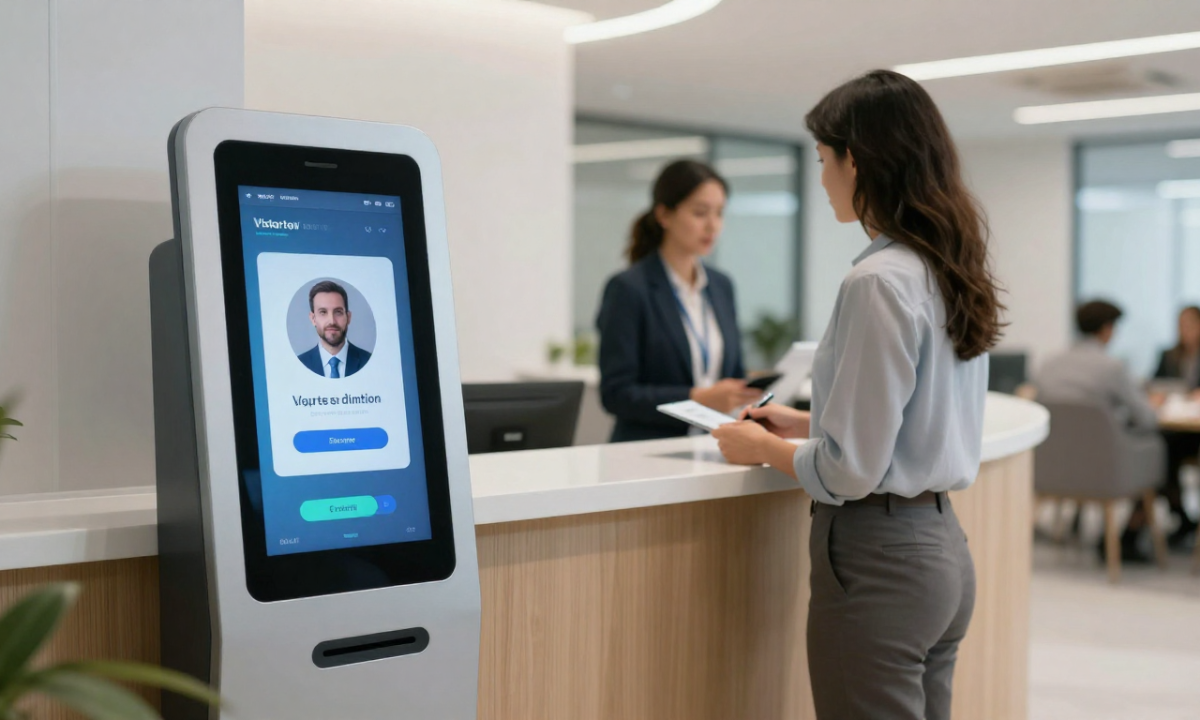
Visitors can check in using a tablet or kiosk. They enter their details, confirm their host, and sign required documents digitally. The process takes minutes instead of filling out paper forms.
Pre-Registration Options
Employees can pre-register visitors before arrival. Guests receive QR codes or confirmation emails. When they arrive, they scan their code and complete check-in quickly.
This reduces congestion during peak hours and improves lobby flow.
Automatic Badge Printing
Once check-in is complete, the system prints a visitor badge instantly. No manual handwriting. No delays. The badge can include visitor name, photo, company, and access level.
Automating Notifications and Communication
One of the biggest inefficiencies in traditional visitor management is manual communication.
Receptionists often call or message employees to announce arrivals. This creates interruptions and delays.
Integrated systems automate notifications.
Real-Time Host Alerts
As soon as a visitor checks in, the host receives a notification by email, SMS, or internal messaging. The host knows immediately that their guest has arrived.
This eliminates waiting time in the lobby and improves visitor experience.
Emergency Communication
In case of an emergency evacuation, digital visitor logs provide accurate records of who is inside the building. This enhances safety protocols and supports compliance requirements.
Enhancing Building Access Workflows
Visitor management should not operate in isolation. It must connect with building access systems.
Controlled Access Permissions
Integrated systems can assign temporary access Credentials. For example, a contractor may receive access only to certain floors or rooms for a limited time.
Access expires automatically after the visit ends. No need to manually deactivate badges.
Reduced Human Error
Manual processes increase the risk of mistakes. Someone might forget to collect a badge or log an exit. Automation reduces these risks and strengthens overall security.
Compliance and Audit Trails
Digital systems create timestamped records of every entry and exit. This data helps organizations meet regulatory requirements and conduct internal audits with ease.
Supporting Hybrid and Flexible Work Models
Hybrid work environments require flexible infrastructure.
Some days, offices may have high visitor traffic for meetings. Other days, traffic may be minimal. Integrated visitor management systems scale easily without adding extra staff.
They also integrate with room booking systems, allowing organizations to connect visitor arrivals with meeting schedules. When a guest arrives, the system already knows which meeting room is reserved and who the host is.
This coordination improves operational flow and reduces confusion.
Reducing Manual Oversight and Administrative Burden
Reception teams often juggle multiple responsibilities. Phone calls, deliveries, visitor sign-ins, and internal coordination can overwhelm staff.
Automation reduces repetitive tasks.
- No manual logbooks
- No repeated phone calls to notify hosts
- No handwriting visitor badges
- No manual data entry after the visit
This allows reception staff to focus on hospitality and higher-value responsibilities rather than administrative tasks.
Strengthening Brand Image
Workplace technology reflects company culture.
A modern digital check-in system signals professionalism and attention to detail. Visitors notice efficient workflows. Clients perceive organization and security.
Outdated paper systems create the opposite impression. They signal inefficiency and weak controls.
For companies competing for talent and clients, small operational improvements can influence perception significantly.
Data Insights for Workplace Optimization
Integrated visitor systems provide actionable data.
Organizations can track:
- Peak visitor times
- Frequent visitor categories
- Average visit durations
- Department-level traffic
These insights help facilities teams optimize staffing, security coverage, and space planning.
For example, if visitor volume increases every Tuesday, additional security staff can be scheduled accordingly.
Privacy and Data Protection
Modern visitor platforms also support data privacy standards.
They allow organizations to:
- Set data retention policies
- Securely store visitor records
- Restrict access to sensitive information
This reduces the risk associated with unsecured paper logs that anyone can view.
The Future of Visitor Management
As workplaces continue to evolve, integration will deepen.
Visitor management systems will connect with:
- Employee directories
- Access control systems
- Meeting room platforms
- Security monitoring tools
Artificial intelligence may soon help predict visitor flow, flag unusual activity, and automate even more tasks.
The goal remains clear: reduce friction while maintaining strong security controls.
Conclusion
Modern workplaces must balance experience and security. Manual visitor processes can no longer support hybrid work patterns, compliance requirements, and rising expectations.
Integrated visitor management technology streamlines check-ins, automates notifications, and connects directly with building access systems. Platforms like Vgreet reduce administrative workload while enhancing safety and professionalism.
By automating visitor workflows, organizations create a smoother arrival experience, improve operational efficiency, and strengthen overall security posture. In a competitive business environment, that combination is essential.
FAQs
1. What is integrated visitor management technology?
It is a digital system that manages visitor check-in, host notifications, badge printing, and building access within one connected platform.
2. How does automated visitor check-in improve security?
It creates real-time digital records, assigns controlled access permissions, and reduces human error associated with manual processes.
3. Can visitor management systems support hybrid workplaces?
Yes. They handle variable visitor volumes, integrate with room booking tools, and allow flexible access controls.
4. Do these systems replace reception staff?
No. They reduce repetitive administrative tasks, allowing reception teams to focus on hospitality and support.
5. How do platforms like Vgreet enhance building workflows?
They automate check-ins, notify hosts instantly, manage badge printing, and integrate with access control systems to streamline entry without manual oversight.