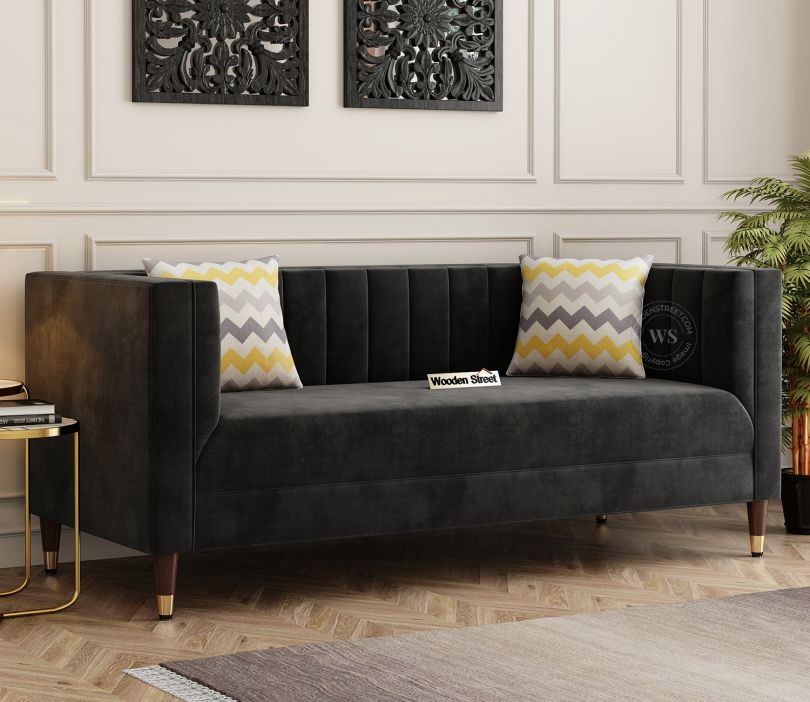
The living room is often the most active and visible space in any home. It is where families gather, guests are welcomed, and daily relaxation takes place. Because of this, every piece of furniture placed in this area must serve both practical and aesthetic purposes. Among all furnishings, the sofa set plays the most influential role in defining how the space looks and functions. The right sofa design does much more than provide seating. It directly impacts movement flow, visual balance, and overall comfort.
Choosing an appropriate sofa set requires thoughtful consideration of room size, layout, and lifestyle needs. When selected wisely, it becomes the foundation around which the entire living room is arranged. From open floor plans to compact apartments, the design of the sofa determines how effectively the available area is utilized.
Maximizing Space Through Smart Sofa Selection
Space planning begins with understanding dimensions. A sofa that is too large can make a room feel cramped, while one that is too small may look disconnected from the rest of the décor. The design, shape, and structure of the sofa set influence how spacious or compact a room appears.
For smaller living rooms, sleek designs with slim arms and raised legs create a sense of openness. Elevated frames allow light to pass underneath, visually expanding the room. On the other hand, larger spaces can accommodate broader silhouettes or sectional arrangements that help define seating zones without making the room feel empty.
The placement of the sofa set also determines how people move within the space. Proper alignment ensures clear walking paths and avoids blocking entryways or windows. A well-chosen design naturally guides movement and maintains harmony between functionality and aesthetics.
Enhancing Functionality with the Right Configuration
Different living rooms serve different purposes. Some are formal spaces for hosting guests, while others double as entertainment zones or family lounges. The configuration of the sofa plays a vital role in supporting these activities.
For example, a straight three-seater design works well in narrow rooms, maintaining symmetry and simplicity. L-shaped or corner arrangements maximize unused corners and create cozy conversation areas. In multifunctional spaces, modular designs offer flexibility, allowing homeowners to rearrange sections according to changing needs.
A thoughtfully selected sofa set can also improve seating capacity without overcrowding. Instead of adding multiple chairs that take up extra floor space, a well-designed sofa provides ample seating in a unified and visually appealing manner. This contributes significantly to better space utilization and practical living room functionality.
Creating Visual Balance and Proportion
A living room feels comfortable when furniture proportions are aligned with the room’s dimensions. The height of the backrest, depth of the seat, and thickness of the arms all contribute to visual weight. Oversized designs in compact rooms can overwhelm the space, while delicate frames may look insignificant in larger areas.
The right sofa set anchors the room and establishes a balanced focal point. When paired with complementary elements such as coffee tables and accent chairs, it creates a cohesive arrangement. Balanced proportions help prevent clutter and ensure that every item feels intentional rather than randomly placed.
Color and upholstery choices also influence how spacious a room appears. Lighter tones reflect more light and make smaller areas feel airy. Darker shades, when used thoughtfully in larger rooms, add depth and warmth. Selecting a design that harmonizes with wall colors and flooring enhances the overall spatial perception.
Supporting Organized Layouts and Defined Zones
Modern homes often feature open-plan layouts where the living area flows into dining or kitchen spaces. In such settings, the sofa design becomes a powerful tool for defining boundaries. Without the need for physical partitions, a strategically placed sofa set can separate functional zones while maintaining openness.
For instance, positioning the sofa with its back facing the dining area subtly divides the space without disrupting continuity. Sectional designs can create natural enclosures that designate conversation corners or entertainment sections. This approach improves organization and ensures each zone serves its intended purpose efficiently.
In smaller apartments, the sofa may act as both a seating solution and a spatial divider. Choosing a design with clean lines and minimal bulk prevents the room from appearing segmented or crowded.
Improving Comfort and Everyday Usability
While aesthetics and layout are essential, functionality ultimately depends on comfort. A well-designed sofa supports posture, encourages relaxation, and adapts to daily activities. Seat depth, cushioning type, and back support all influence how practical the seating arrangement feels.
Families who spend long hours in the living room require durable and comfortable designs. A sofa set that offers adequate support ensures that the space remains inviting and usable throughout the day. Comfortable seating reduces the need for additional furniture pieces, contributing to better space management.
In homes where the living room also functions as a workspace or study corner, ergonomic design becomes even more important. The right sofa encourages both leisure and productivity without compromising spatial flow.
Allowing Flexibility for Changing Needs
Living spaces evolve over time. Growing families, new décor preferences, or shifting lifestyle habits may require adjustments in layout. Selecting a versatile sofa design allows homeowners to adapt without completely redesigning the room.
Modular and lightweight options make rearrangement easier, enabling different layouts for gatherings or daily routines. A flexible sofa set supports these transitions while maintaining aesthetic consistency. This adaptability ensures that the living room remains functional and relevant for years.
Choosing timeless designs rather than overly trendy styles also contributes to long-term usability. Neutral structures can be refreshed with cushions, throws, or decorative accents, minimizing the need for major furniture replacements.
Integrating Storage and Smart Features
Modern living rooms often struggle with storage limitations. Innovative sofa designs now incorporate hidden compartments or multifunctional features that enhance practicality. While maintaining visual appeal, such additions help reduce clutter and improve organization.
Even without built-in storage, selecting a sofa set with appropriate dimensions can create opportunities for side tables or shelves that contribute to better arrangement. Thoughtful design ensures that the room remains tidy and efficient without sacrificing comfort.
When furniture pieces complement each other in scale and placement, the entire living area feels purposeful rather than congested. Smart design choices promote cleanliness and make daily maintenance easier.
Strengthening the Overall Ambience
The sofa is often the first element noticed when entering a living room. Its design sets the tone for the rest of the décor. Whether the theme is contemporary, traditional, or minimalist, the sofa anchors the style narrative.
A cohesive sofa set enhances visual unity, allowing other decorative elements to blend seamlessly. When the design aligns with the room’s architectural features, it amplifies the sense of order and sophistication. Proper coordination between furniture and spatial layout results in a welcoming and functional environment.
Lighting placement also interacts with sofa design. Low-profile silhouettes work well under pendant lights, while taller backs complement spacious ceilings. Understanding these relationships ensures that the entire room feels thoughtfully planned.
Conclusion
The right sofa design is more than a decorative choice. It is a strategic decision that shapes how effectively a living room functions and feels. From maximizing floor space to defining zones and enhancing comfort, a carefully selected sofa set transforms the overall layout.
When homeowners consider size, configuration, comfort, and visual balance, they create a living space that is both practical and inviting. By aligning furniture design with spatial planning principles, it becomes possible to achieve harmony between beauty and usability. Ultimately, investing time in choosing the right sofa set leads to a living room that supports everyday life while maintaining elegance and organization.