Many women go through years of heavy bleeding, painful periods, failed IVF cycles, or repeated miscarriages without knowing what is the exact reason behind it. Ultrasound results might look normal, even blood tests may not show much, but still, the problem continues to exist.
In many cases, the real issue lies inside the uterus, and that’s why Hysteroscopic procedures are very important. Hysteroscopy is more than just a test; it is a treatment tool that helps the doctor to clearly examine the uterus and fix the problems in the same sitting.
What Exactly is a Hysteroscopy?
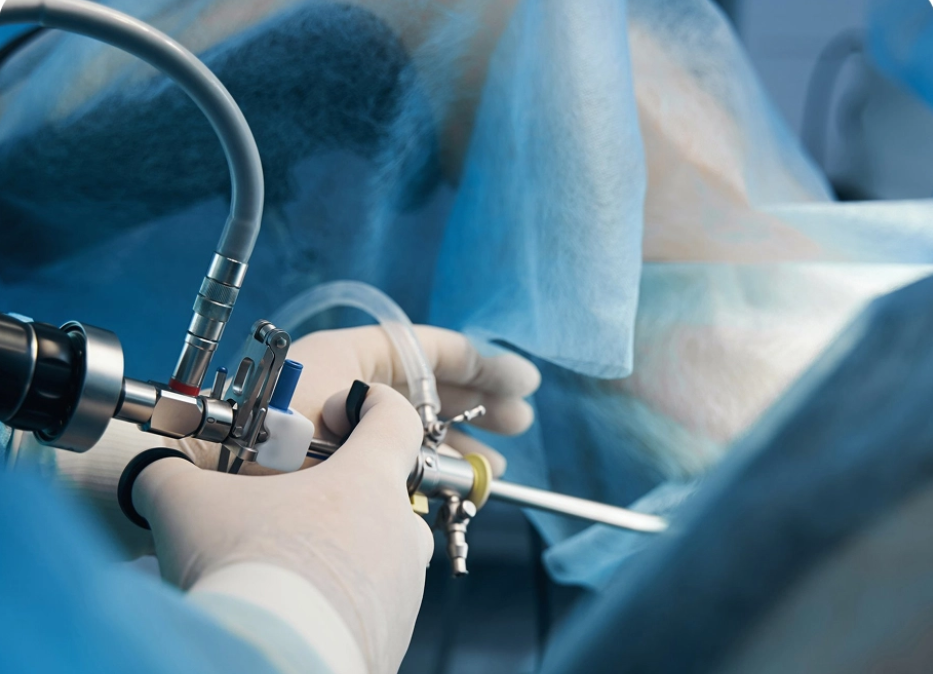
A hysteroscopy is a procedure that allows doctors to examine the issues inside the uterus using a thin, light camera called a hysteroscope. It is not like a regular surgery, as there are no cuts on the abdomen, no stitches, and no visible scars.
The hysteroscope is gently inserted into the uterus, and a sterile fluid is used to expand the uterine cavity slightly so that the doctor can clearly see the uterine lining on a monitor. The process of direct visualization makes hysteroscopy more accurate than many imaging tests.
Why Is Hysteroscopy So Important?
Many uterine problems are small, but they make a big impact. Even a tiny or mild scar in the tissue can cause irregular or heavy bleeding, prevent embryo implantation, increase the risk of miscarriage or repeated IVF failure.
These problems may not always be clearly detected on ultrasound, which is why hysteroscopy allows the doctor to look directly inside the uterine cavity.
When Is a Hysteroscopy Needed?
Here are some most common medical situations where doctors recommend the procedure:
- Repeated IVF Failure
If embryos are of good quality, but the implantations keep failing, then doctors may suspect a uterine cavity issue. Hysteroscopy helps to examine and heal the hidden problems before the next cycle.
- Recurrent Miscarriages
Structural abnormalities like a uterine septum, which is a condition where there is a partition inside the uterus, adhesions, which are scar tissue, and Polyps.
These conditions can interfere with the healthy growth of a pregnancy. These can be identified and corrected during hysteroscopy.
- Heavy or Abnormal Uterine Bleeding
Women with prolonged or irregular bleeding often have polyps inside the uterus cavity. Hysteroscopy will help to diagnose and remove them.
- Scar Tissue
Scar tissue can cause infections and even miscarriages. It can also cause light periods and infertility, and hysteroscopy is the best way to treat it.
- Before Embryo Transfer
In some cases, fertility specialists may recommend hysteroscopy before IVF to ensure the uterine cavity is normal.
Types of Hysteroscopy
There are 2 types of Hysteroscopy,
- Diagnostic Hysteroscopy: This is done to inspect and identify the problems.
- Operative Hysteroscopy: If any abnormalities are found, then small surgical instruments are used to treat them immediately.
What to Expect Before, During, and After a Hysteroscopy
A Hysteroscopy is usually done when your menstrual period is over, and the lining in the uterus is thin and visible. Before the procedure, you may need to go through basic blood tests, and if anesthesia is planned, you will even have to fast for a few hours before the procedure.
The procedure is completed in 15-30 minutes. A thin camera is gently inserted and used to examine the uterus. If needed, then small polyps, fibroids, or adhesions are removed during the procedure itself. There are no such cuts and stitches as traditional surgery, which is why the recovery time is quick.
Most women go home on the same day of the procedure. They might get mild cramping for a couple of days, which is very normal. Chances of serious complications are very rare, and most patients return to normal activities within 24 to 28 hours of the procedure.
Final Thoughts
Hysteroscopy is more than just a diagnostic test, as it is a precise and effective procedure that can identify as well as correct the problems that exist inside the uterus. It is very important to seek the right guidance from experts like Dr. Rajeev Agarwal at Renew Healthcare, as they focus on careful evaluation and use advanced techniques. Hysteroscopy is not just a random procedure; it is a meaningful step towards clarity, confidence, and a healthier future.