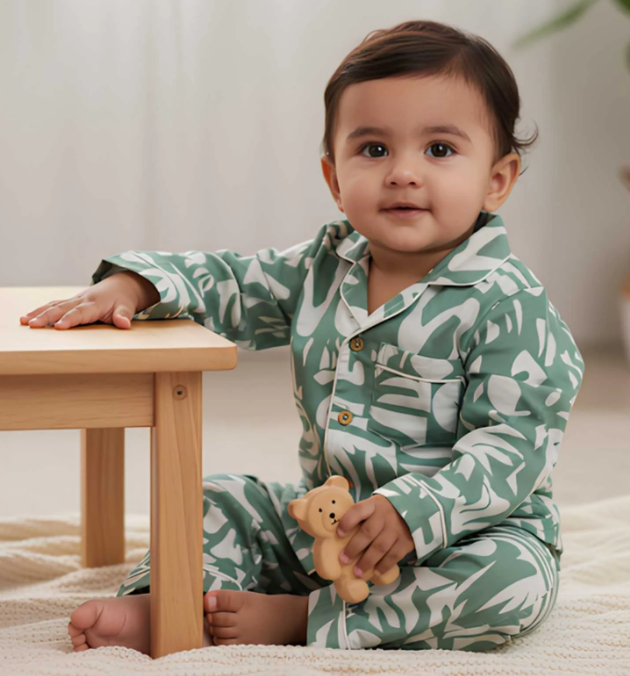
As parents, we all naturally want our children to get a good night’s sleep and to be safe. Sleep is very important for a lot of reasons, like growth, good mood, and health. However, most of us are unaware that the clothing our children wear to bed every night can play a big role in their sleep.
Choosing the right nightsuit is not only about cute prints and soft colours. It is also about comfort, breathability, and protection. Here are some simple and important kids nightsuit tips that every parent should know.
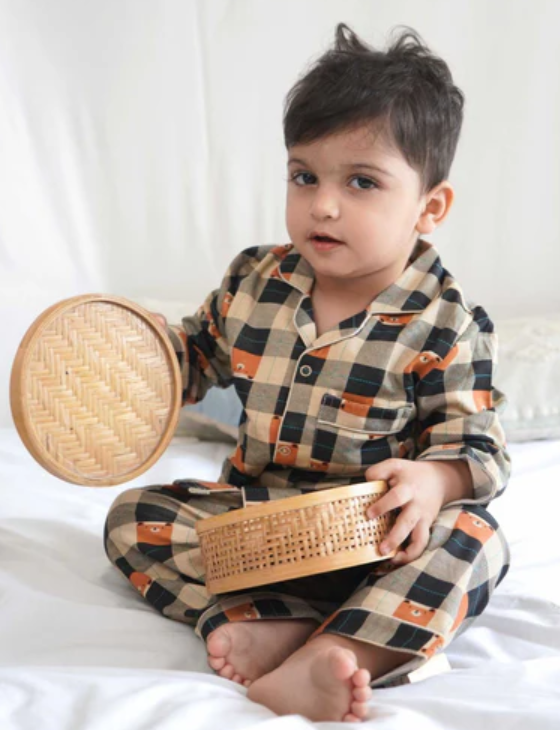
1. Choose Soft and Breathable Fabrics
Children have delicate skin. A nightdress that has a rough texture or a heavy material can cause itchiness, redness or even irritation. You should always look for a comfortable, soft fabric with breathable material when purchasing a nightsuit.
Choose a natural fibre such as bamboo or organic cotton. A light and loose fit will allow your child to breathe and feel more comfortable. Natural fibres such as cotton or bamboo are often gentler on sensitive skin and may reduce irritation compared to synthetic fabrics. When a child feels comfortable in their clothing, they sleep better and wake up happier.
2. Make Sure the Nightsuit Fits Properly
A nightdress must be the right size for safety; it should not be too tight or too loose. Choose a nightdress that is fitted but not restrictive for your child. When choosing a nightsuit, always follow the sizes on the label and never buy clothes that are too big, thinking that they will fit in the near future. Well-fitting clothing is safer for your child and better for a good night’s sleep.
A general rule for babies to keep in mind is to make sure that the neckline and armholes aren’t too deep or wide, so that garments don’t swallow them up.
3. Avoid Loose Buttons, Strings, and Decorations
Loose buttons or buttons that can be easily detached, beads that can be swallowed, unfastened bows or long threads that may pose a choke hazard, and so on, are things that parents need to be aware of.
For babies and toddlers, it is recommended to use designs that are free of small attachments. Simple is best when it comes to sleepwear.
4. Check for Skin-Friendly Dyes and Materials
Children’s skin is generally thinner and more sensitive than adults, and that’s why nightdresses made from safer, non-toxic dyes and skin-friendly materials are a great idea. If your child has eczema or sensitive skin, then hypoallergenic fabrics will be the most suitable as they are tender on the skin and don’t have any harsh fibre ends that can cause an issue. Bamboo fabric is one of the softest fabrics and is highly gentle for sensitive skin.
5. Consider Temperature and Weather
It is important to dress children in clothes that are suitable for the weather. Overheating during sleep can be uncomfortable and potentially harmful for babies. In the summer, wearing a light nightsuit is best, and in the winter, you can sleep gently layered with a soft blanket instead of wearing a thick night suit.
Avoid heavy fabrics that trap heat, as your child should feel warm but not sweaty. A simple way to figure out if your child is too dressed up for sleep is to check their neck or back. If it’s sweaty, then they’re overdressed.
6. Look for Easy-to-Change Designs
It can be frustrating when midnight diaper changes or bathroom trips become a struggle. A simple rule to live by is to wear a onesie with a smooth zipper or easy snap buttons. Zipper should always have a soft neckcover to protect your children’s chin and neck. It will prevent scratching and skin irritations.
7. Wash New Clothes Before First Use
It is important to wash a new nightsuit before it is worn by a child. This is to remove any dust, dirt or chemical residues that may have developed during manufacture or storage. A general cleaning solution can be used.
Final Thoughts
Kids need a perfect good night’s sleep, and their night suit can really make all the difference in ensuring they get the best possible night’s sleep.
Brands like Cocoon Care specialize in gentle, breathable, and skin-friendly fabrics that are safer for your baby and are a good way to protect your child and reduce the risk of damage to their skin because every child in the world should be able to sleep in safety, care and comfort.