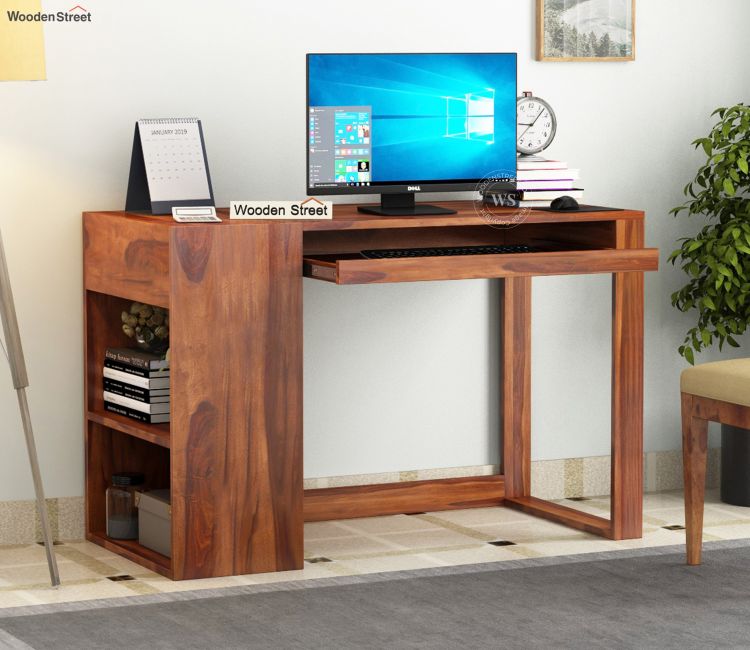
Choosing the right computer table for your home begins with understanding the space where it will be placed. Every home has a different layout, and a table that looks perfect in a showroom may not fit well in your room. Measuring the available area is essential before making a decision. A well-fitted computer table ensures that movement around the room remains comfortable and the space does not feel cramped.
The placement of the table also matters. Some people prefer positioning it near a window for natural light, while others choose a quiet corner for better focus. Considering these factors helps in selecting a computer table that blends seamlessly into your living environment without disrupting the overall layout.
Focusing on Comfort and Ergonomics
Comfort plays a crucial role when selecting a computer table, especially for those who spend long hours working or studying. A table with the right height ensures that your posture remains correct, reducing strain on the neck, back, and shoulders. If the height is too low or too high, it can lead to discomfort over time.
Ergonomics is not just about height but also about the space available for your legs and arms. A well-designed computer table allows enough room to sit comfortably and work without feeling restricted. Pairing the table with a suitable chair further enhances the experience, making daily tasks more efficient and less tiring.
Considering Storage and Organization Needs
A cluttered workspace can affect productivity and create unnecessary stress. That is why storage is an important factor to consider when choosing a computer table. Some tables come with built-in drawers, shelves, or compartments that help in organizing files, books, and electronic accessories.
If your work involves multiple devices or documents, a computer table with additional storage can make a significant difference. On the other hand, if you prefer a minimal setup, a simple design with a clean surface might be more suitable. Understanding your storage needs ensures that the table supports your daily routine effectively.
Evaluating Material and Durability
The material of a computer table directly impacts its durability and appearance. Wooden tables are often preferred for their strength and timeless appeal, while engineered materials offer a more affordable and lightweight option. Metal frames combined with wooden tops are also popular for their modern look and sturdy structure.
Durability should not be overlooked, especially if the table will be used regularly. A strong and stable computer table can handle the weight of devices and last for years without losing its functionality. Investing in quality materials ensures that the table remains reliable over time.
Matching Style with Interior Design
A computer table is not just a functional piece of furniture but also a part of your home decor. Its design should complement the overall style of your room. Whether your interior is modern, traditional, or minimal, choosing a table that matches the theme enhances the visual appeal of the space.
Colors and finishes also play a role in this decision. A light finish can make a room feel more open and airy, while a darker tone adds a sense of richness and warmth. Selecting a computer table that aligns with your interior design creates a balanced and cohesive look.
Assessing Size and Surface Area
The size of the table should be appropriate for your needs. A compact computer table works well in smaller rooms or apartments, while a larger table is suitable for spacious areas where multiple devices need to be accommodated.
The surface area is equally important. It should be large enough to hold your computer, keyboard, and other essentials without feeling overcrowded. A well-sized table allows you to work efficiently while keeping everything within easy reach. Choosing the right dimensions ensures both functionality and comfort.
Importance of Cable Management
In today’s digital age, managing cables is an essential aspect of maintaining a clean workspace. A computer table with built-in cable management features helps keep wires organized and out of sight. This not only improves the appearance of the setup but also reduces the risk of tangling and damage.
Even if the table does not include dedicated cable management options, it should allow enough space to arrange wires neatly. A tidy setup contributes to a more focused and productive environment.
Portability and Flexibility
Depending on your lifestyle, you may need a table that is easy to move or adjust. Lightweight designs or tables with wheels provide flexibility, allowing you to rearrange your space as needed. This is particularly useful in homes where rooms serve multiple purposes.
Some people also prefer foldable or compact options that can be stored away when not in use. A flexible computer table adapts to changing needs and offers convenience in everyday living.
Budget and Value for Money
Budget is always an important consideration when buying furniture. While it may be tempting to choose the most affordable option, it is essential to focus on value rather than just price. A slightly higher investment in a durable and well-designed computer table can save money in the long run by reducing the need for replacements.
Comparing different options and understanding what features are most important to you helps in making a balanced decision. The goal is to find a table that meets your requirements without exceeding your budget.
Long Term Usability and Versatility
A good computer table should serve your needs not just today but also in the future. As work patterns and technology evolve, the table should be versatile enough to adapt to new requirements. For example, a table that can accommodate both a desktop and a laptop offers greater flexibility.
Versatility also means that the table can be used for different purposes, such as studying, writing, or even creative activities. Choosing a design that supports multiple uses ensures that the furniture remains relevant over time.
Conclusion
Selecting the right computer table for your home involves careful consideration of several factors, including space, comfort, storage, material, and design. Each aspect plays a role in ensuring that the table meets your daily needs while enhancing the overall look of your room.
A thoughtfully chosen computer table creates a workspace that is not only functional but also comfortable and visually appealing. By focusing on your specific requirements and preferences, you can find a table that supports productivity and fits seamlessly into your home environment.