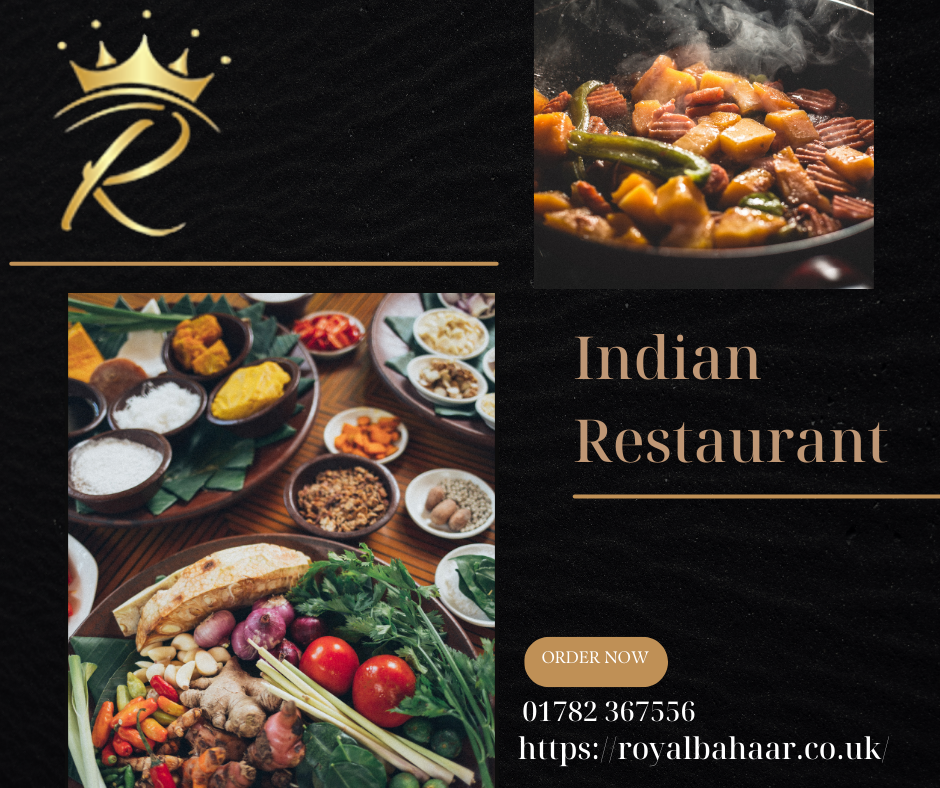
Indian cuisine has become one of the most influential food cultures in the UK, shaping everyday dining habits and restaurant trends across cities and towns. When people search for the best Indian restaurants, they are often looking for more than just a meal—they are exploring authenticity, regional variety, and evolving dining experiences. Today, an indian restaurant in the UK can range from traditional curry houses to modern dining spaces that reinterpret regional dishes for local audiences.
Understanding what makes these restaurants stand out requires looking beyond popularity and focusing on culinary depth, consistency, and cultural representation.
The evolution of Indian cuisine in the UK
The presence of Indian food in the UK dates back decades, shaped by migration patterns and changing consumer tastes. Early establishments primarily adapted recipes to suit local palates, often simplifying spice levels and ingredient profiles. Over time, however, the dining landscape has diversified significantly.
Modern Indian restaurants now reflect regional cuisines such as Gujarati vegetarian dishes, South Indian dosa culture, Punjabi tandoori cooking, and coastal seafood traditions. This shift has helped UK diners understand that Indian cuisine is not a single style but a collection of many culinary identities.
In major cities like London, Birmingham, and Manchester, restaurants increasingly focus on authenticity while still maintaining accessibility for broader audiences. This balance has been key to the continued growth of Indian dining culture across the country.
indian restaurant dining in the UK: authenticity, variety, and expectations
An indian restaurant in the UK is often evaluated through three main expectations: authenticity, menu diversity, and consistency. Authenticity does not always mean traditional preparation alone; it also involves maintaining the integrity of spices, cooking techniques, and regional inspiration.
Many diners now expect menus that go beyond standard dishes like tikka masala or korma. Instead, they look for items such as Hyderabadi biryani, Kerala fish curry, or Rajasthani dal-based meals. This growing curiosity has encouraged chefs to highlight regional specificity rather than generic interpretations.
Variety is another defining factor. A well-structured menu typically includes vegetarian options, grilled dishes from the tandoor, lentil-based comfort foods, and street-style snacks. The ability of a restaurant to present this range without losing quality is often what separates average dining experiences from memorable ones.
Consistency also matters. Regular customers tend to value restaurants that maintain the same flavour profile and preparation standards over time, ensuring trust in the dining experience.
The rise of take away indian restaurant services and changing lifestyles
The popularity of take away indian restaurant services in the UK has grown significantly, especially in urban and suburban areas where convenience plays a central role in food choices. Busy lifestyles, remote working patterns, and digital ordering platforms have all contributed to this shift.
Takeaway Indian food has evolved beyond simple collection orders. Many restaurants now design specific menus that travel well, ensuring that texture, flavour, and presentation remain intact after delivery. Dishes like curries, rice-based meals, and grilled items are often adapted to maintain quality during transit.
There is also a noticeable change in packaging standards and portion control. Restaurants increasingly focus on preserving freshness and minimizing moisture loss, which is particularly important for spice-rich dishes. This evolution has helped maintain the reputation of Indian cuisine even outside dine-in environments.
In many UK communities, takeaway services have also become a cultural norm, especially during weekends and social gatherings. This reflects how Indian cuisine has integrated into everyday British food habits.
Regional diversity and menu design in modern Indian dining
One of the most distinctive features of Indian dining is regional diversity. Unlike many global cuisines, Indian food is deeply influenced by geography, climate, and cultural traditions.
Northern Indian cuisine often highlights rich gravies, bread varieties like naan and roti, and slow-cooked meats. Southern cuisine leans towards rice-based dishes, coconut flavours, and fermented batters used in dosas and idlis. Eastern regions are known for lighter spices and freshwater fish preparations, while western regions incorporate a mix of vegetarian traditions and coastal influences.
In many restaurants across the UK, chefs combine these regional identities into a single menu. This approach helps diners explore multiple food cultures in one place. Some establishments, such as Royalbahaar, are often discussed in the context of offering balanced menus that reflect both traditional and contemporary interpretations without overwhelming the diner with unnecessary complexity.
The structure of these menus also plays a role in customer understanding. Clear categorisation—such as starters, mains, breads, and regional specials—helps diners navigate unfamiliar dishes more confidently.
How quality is assessed in Indian restaurants today
Evaluating quality in Indian dining involves several factors beyond taste alone. Ingredient sourcing is one of the most important considerations. Fresh spices, properly marinated proteins, and carefully prepared base sauces contribute significantly to flavour depth.
Cooking technique is another key factor. Methods such as slow simmering, clay oven roasting, and hand-ground spice blending often indicate a higher level of culinary attention. These techniques preserve authenticity while enhancing aroma and texture.
Hygiene and consistency are equally important in modern assessments. UK diners are increasingly aware of food safety standards and expect transparency in preparation processes. Restaurants that maintain clean cooking environments and consistent preparation methods tend to build stronger reputations over time.
Presentation has also become more relevant, even in traditional cuisine. While Indian food is not always visually elaborate, thoughtful plating and portion balance can improve the overall dining experience without altering authenticity.
Cultural relevance and the role of Indian cuisine in the UK
Indian cuisine has become deeply embedded in UK food culture, influencing both everyday meals and special occasions. It is common to see Indian dishes featured in family dinners, workplace lunches, and celebratory gatherings.
This cultural integration has also encouraged culinary innovation. Many chefs now experiment with fusion concepts while still respecting traditional foundations. This includes modern plating styles, lighter spice adaptations, and seasonal menu variations.
Despite these changes, the essence of Indian cooking—its emphasis on spices, layered flavours, and communal dining—remains unchanged. This balance between tradition and adaptation is what continues to make Indian cuisine widely appreciated across generations.
Conclusion
The landscape of the indian restaurant industry in the UK reflects a blend of history, regional diversity, and modern dining habits. From traditional dining rooms to the growing influence of the take away indian restaurant model, the cuisine continues to evolve while maintaining its cultural depth. Its strength lies in adaptability without losing identity, allowing it to remain relevant in a competitive food environment.
As diners become more informed and selective, the appreciation for authenticity, consistency, and regional representation continues to grow. Indian cuisine’s presence in the UK is no longer defined by novelty but by its established role in everyday food culture.