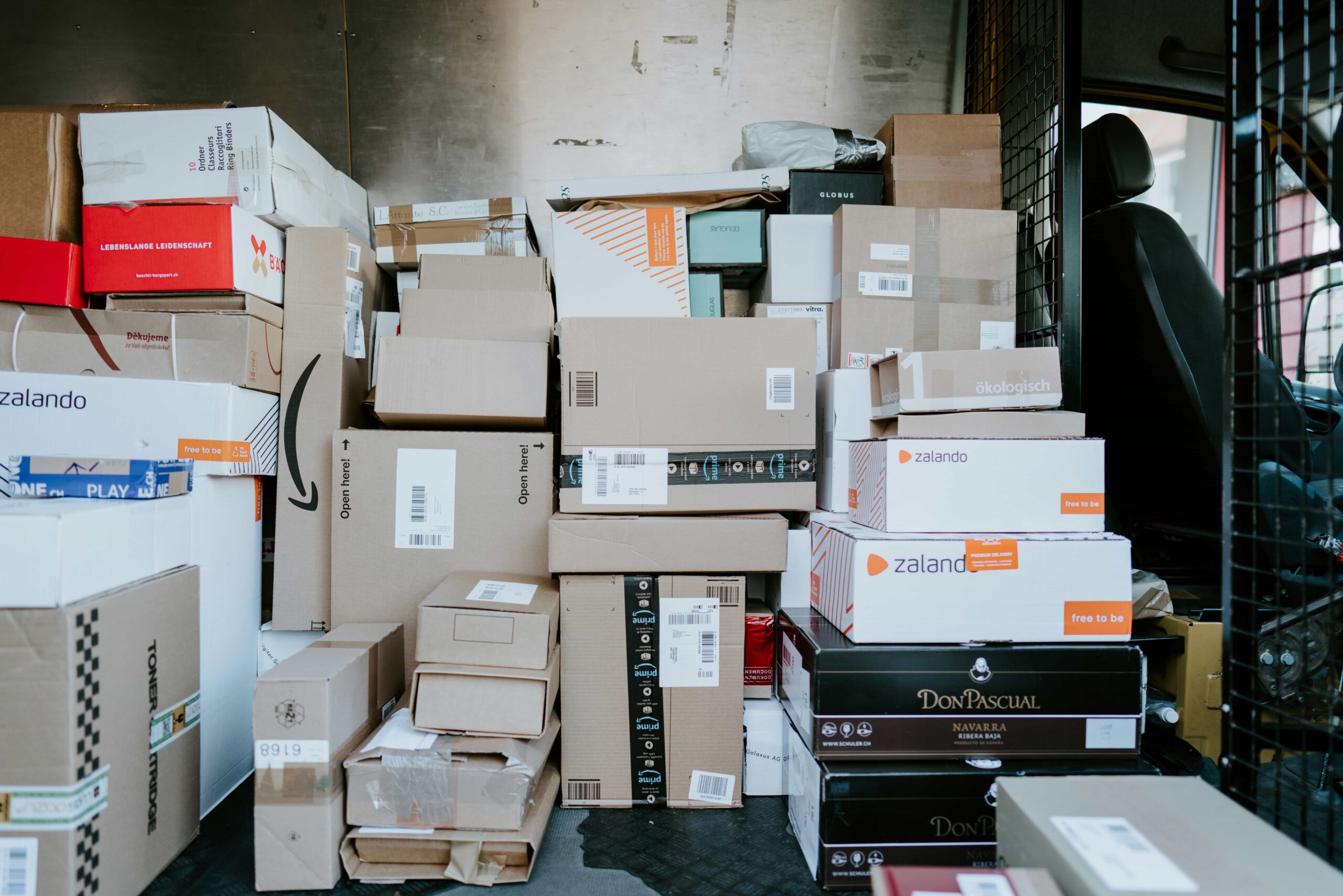
Rapid growth on platforms like Shopee, Lazada, and TikTok Shop is a massive win for your business. But that sudden influx of sales often creates severe pressure on your operations. A system that easily handled a hundred sales a week quickly breaks down when you hit thousands of daily orders.
This operational shift transitions your workload from manageable to completely overwhelming. When operations stall, the core issue is rarely the demand itself. Instead, the bottlenecks stem from outdated systems that simply cannot keep up with your new volume.
Where Bottlenecks Typically Occur in High-Volume Order Processing
To fix the problem, you need to break down your order flow from checkout to delivery. Choke points often remain hidden until volume spikes. The most common bottlenecks include:
- Order syncing delays between platforms and your warehouse
- Manual order validation slowing down fulfillment
- Inventory mismatches causing unexpected stockouts
- Slow picking and packing workflows
The Real Cost of Inefficient Order Processing
When you fail to process orders efficiently, the impact ripples across your entire business. Externally, customers experience delayed shipments, leading to order cancellations and poor customer reviews.
Internally, inefficiency severely impacts your team. Operations staff become overworked, and manual errors skyrocket. Ultimately, inefficient processing costs you lost revenue and erodes brand trust.
Why Manual and Disconnected Systems Fail at Scale
Relying on spreadsheets and multiple dashboards is a recipe for disaster at scale. Disconnected marketplace, inventory, and accounting systems create constant delays. Your team wastes hours on duplicate data entry, and you lack real-time visibility into your business. System connectivity is the core issue holding your operations back.
Standardising Order Flow to Remove Friction
A consistent order processing workflow is essential for speed. You need a streamlined flow: order capture, validation, allocation, and finally, fulfillment. Removing unnecessary manual checkpoints allows your team to work faster. Standardization reduces confusion and eliminates major delays.
Automating Order Synchronisation Across Marketplaces
Real-time syncing prevents order backlog. Automation easily handles repetitive manual tasks. You need a setup that provides:
- Automatic order import from all sales channels
- Instant status updates across platforms
- A centralized order dashboard to monitor everything in one place
Ensuring Real-Time Inventory Accuracy
Inaccurate stock causes immediate fulfillment delays. When you sell across multiple channels, you need live stock updates and multi-warehouse visibility. Overselling leads to stockouts, angry customers, and marketplace penalties. Real-time inventory tracking prevents these issues entirely.
Optimising Warehouse Operations for Speed
Physical operations must match system efficiency. You can optimize your warehouse workflows by implementing batch picking, zone-based workflows, and barcode scanning. These methods ensure your picking and packing processes move as quickly as your digital orders arrive.
Using Integrated Systems to Remove Data Silos
Your marketplace, inventory, and finance systems must work together. Integration ensures consistent order data, automatic stock deduction, and accurate financial tracking. Modern ERP platforms such as Odoo ERP are highly effective at unifying these workflows across departments. If you want to streamline operations, investing in the software erp terbaik for your region will give you the connectivity required to manage high volume.
Scaling Operations Without Increasing Headcount
Automation reduces your dependency on manual labor. Integrated systems allow your current team to handle a much higher volume of sales without proportional hiring. Prioritizing operational efficiency over rapid staff expansion protects your profit margins.
Implementation Considerations for High-Volume Sellers
Upgrading your systems requires a strategic approach. Start by mapping your current order flow and identifying specific bottlenecks. Clean up your existing data before automating any processes. Prioritize integration between your key systems, such as your marketplace, inventory, and finance tools. Finally, roll out improvements in phases to avoid completely disrupting your daily operations.
Common Mistakes That Create New Bottlenecks
Even when trying to improve, businesses often make mistakes that stall progress. Avoid these common pitfalls:
- Over-relying on manual workarounds for system gaps
- Using too many disconnected tools to solve a single problem
- Over-customizing workflows without clear operational logic
- Ignoring warehouse process optimization
Efficiency Comes from Flow, Not More Tools
Bottlenecks are fundamentally process and system issues, not demand issues. Prioritizing automation and system connectivity will transform how your business operates. The goal is not to process more orders manually. Your goal is to build a robust system that handles high volume consistently and accurately.