In the modern bakery and confectionery industry, packaging plays a far greater role than simple presentation. chocolate cookies packaging has become a technical consideration that blends food safety, shelf life protection, branding psychology, and logistics efficiency. In the UK market especially, where artisanal bakeries and online cookie sellers continue to grow, packaging decisions can directly influence product quality and customer perception before a single bite is taken.
From preventing moisture loss in buttery cookies to ensuring chocolate chip stability during transport, the box is no longer just a container—it is part of the product experience. Understanding how packaging works behind the scenes helps explain why some cookies arrive fresh and intact while others lose texture or break in transit.
Chocolate cookies packaging in modern bakery operations
chocolate cookies packaging is designed around one core challenge: maintaining texture and flavour integrity while ensuring safe handling from bakery to consumer. Chocolate-based cookies are particularly sensitive because they react to heat, humidity, and friction during transport.
In professional bakery settings, packaging is typically layered. A primary food-safe wrap or inner liner is often used before the cookies are placed in rigid or semi-rigid boxes. This reduces exposure to air and helps control moisture migration, which can soften or dry out baked goods depending on conditions.
For example, a small bakery shipping cookies across different regions of the UK may use grease-resistant liners combined with tightly fitted cardboard boxes. This prevents oil transfer from butter-rich dough while maintaining structural integrity during courier handling. Even small adjustments—such as vent placement or box thickness—can significantly change how cookies arrive at their destination.
Material science and barrier protection in cookie packaging
One of the most critical aspects of chocolate chip cookie packaging is material selection. Cookies may appear simple, but they require packaging that balances breathability and protection. Too much airflow can dry them out, while fully sealed environments can trap moisture and affect texture.
Cardboard remains the most widely used material in the UK bakery sector due to its recyclability and print adaptability. However, it is often enhanced with coatings or inserts that improve grease resistance and barrier performance. Some manufacturers incorporate biodegradable films or water-based coatings to reduce environmental impact without compromising protection.
Moisture control is particularly important for chocolate chip cookies because chocolate can bloom (develop a white surface coating) when exposed to temperature fluctuations. Packaging materials with moderate insulation properties help stabilise internal conditions during transport.
A practical example can be seen in subscription cookie services, where packaging must withstand multi-day transit. In these cases, layered materials such as corrugated board combined with inner protective sleeves are commonly used to maintain freshness.
Branding, perception, and consumer expectations
Packaging does more than preserve cookies—it communicates value. In retail environments, cookie boxes often act as silent sales representatives. The visual and tactile experience of opening a box can influence how consumers perceive taste, quality, and freshness.
Brands operating in the UK bakery market increasingly rely on minimalistic design, soft colour palettes, and clear product visibility to build trust. However, functionality remains just as important as aesthetics. A well-designed box ensures cookies are not only visually appealing but also structurally protected.
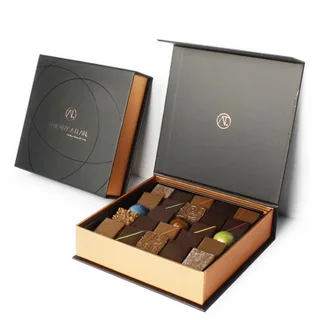
For instance, boutique bakeries often use compartmentalised inserts to prevent cookies from shifting during transport. This not only protects the product but also enhances presentation upon opening. Even small design choices—such as matte finishes or embossed textures—can reinforce a sense of craftsmanship without explicitly marketing it.
In some production workflows, suppliers like customboxpackaginglabels contribute to the technical development of packaging formats, ensuring alignment between structural integrity and print requirements, particularly for small-batch bakery businesses.
Sustainability and packaging expectations in the UK market
Sustainability has become a defining factor in food packaging decisions across the UK. Consumers are increasingly aware of packaging waste, and bakeries are under pressure to adopt environmentally responsible solutions without compromising food safety.
Recyclable cardboard remains the foundation of most chocolate chip cookie packaging systems, but there is growing interest in compostable linings and plastic-free barrier coatings. These materials aim to reduce environmental impact while still protecting cookies from humidity and contamination.
However, sustainability is not just about material choice. It also involves right-sizing packaging to reduce excess space, which lowers transport emissions and material waste. Over-packaging is increasingly viewed negatively, particularly in artisanal and health-conscious consumer segments.
A practical example can be seen in local UK bakeries that now ship cookies in tightly fitted kraft boxes with minimal internal plastic. Instead of decorative excess, they rely on structural design and typography to communicate quality. This shift reflects a broader industry movement toward functional simplicity rather than decorative abundance.
Logistics, e-commerce, and cookie protection during transit
As online cookie sales grow, packaging must now perform under more demanding conditions than traditional retail shelves. E-commerce introduces variables such as vibration, stacking pressure, and extended delivery times.
Effective cookie packaging systems often include internal supports or inserts that prevent movement. This is especially important for delicate chocolate chip varieties, which can crack if allowed to shift during transport. Corrugated cardboard remains a preferred choice for outer boxes due to its shock-absorbing properties.
Temperature fluctuations are another concern. During warmer months, chocolate components can soften, leading to surface smearing or deformation. While packaging cannot fully control temperature, insulating layers and breathable design help reduce rapid changes.
For small bakeries operating in competitive UK delivery markets, consistency in packaging performance becomes essential. A single poor delivery experience—such as broken cookies or altered texture—can influence customer trust more than pricing or branding.
The role of design systems in consistent bakery packaging
Behind every effective cookie box is a design system that considers size standardisation, folding strength, and production scalability. Consistency ensures that each batch of cookies is packaged with the same protection level, regardless of order volume.
Designers often work closely with food producers to align packaging dimensions with cookie diameter, thickness, and stacking behaviour. Even small mismatches can lead to breakage or movement inside the box.
In this context, chocolate cookies packaging becomes a balance of engineering and culinary understanding. It is not only about visual appeal but also about how baked goods behave under pressure, humidity, and time.
Conclusion
Packaging for baked goods continues to evolve as consumer expectations, sustainability concerns, and digital commerce reshape the food industry. chocolate cookies packaging now sits at the intersection of material science, design thinking, and logistics planning, particularly in competitive markets like the UK.
At the same time, the functional demands of chocolate chip cookie packaging highlight how even simple products require careful technical consideration to maintain quality from production to consumption. When these elements are aligned—materials, structure, and environmental awareness—packaging becomes an essential part of the product’s overall integrity rather than just its outer layer.