Eliminating hepatitis lies in our hands. Let’s unite to eliminate hepatitis by 2030!” — World Hepatitis Alliance. This tagline very well highlights the futuristic goal of the entire world to cure Hepatitis C by knowing about its causes, symptoms and effective treatment options.
What is HCV and how it affects the Liver?
Hepatitis C is a viral disease that affects the liver and causes its inflammation. Hepatitis C Virus is a blood-borne virus that spreads through infected blood or bodily fluids from one person to another.It starts replication in liver leading to induction of many cellular responses. As a result, it causes damage. It is not directly affecting the liver cells. Instead, it makes host’s immune system to hurt its own body by involving in its cellular machinery.
Difference between Acute and Chronic Infection
Following is the table highlighting the differences between acute and chronic Hepatitis C infection:
| Acute Hepatitis C Infection | Chronic Hepatitis C Infection |
| Short Term (Lasts for only 6 months after exposure) | Long Term (Lasts for more than 6 months) |
| Often Asymptomatic | Asymptomatic for several years, until any serious disease develops. |
| Mild and Reversible Liver Damage | Severe Liver Damage due to serious disease like Cirhhossis, Liver cancer etc. |
| No Antiviral Therapy Needed | Anti Viral Therapy Needed with Supportive Care |
Global Impact of Chronic Hepatitis C
According to the World Health Organization, 1.0 million new cases of hepatitis C are reported year, and an estimated 50 million people worldwide are assumed to be chronically infected. Over 242,000 people died from hepatitis C in 2022, mostly from cirrhosis and hepatocellular carcinoma (primary liver cancer), according to WHO estimates. Direct-acting antiviral drugs (DAAs) can cure more than 95% of hepatitis C infections, while diagnosis and treatment are not commonly accessible.
Causes and Modes of Transmission
Hepatitis C Virus is the only cause of Hepatitis C infection. It is a single stranded RNA virus that belongs to the Flaviviridae family.Since it is a blood borne virus it can be transferred through infected blood.Following is the list of mode of transmission of this viral infection:
- Sharing of Infected Needles or Syringes
- Blood Transfusion
- Organ Transplant
- Mother to Child Transmission
- Sexual Transmission
- Accidental Needle Prick
Early Signs and Common Symptoms
Acute hepatitis C infection is often asymptomatic but can include several early signs. Following is the list of early signs of Hepatitis C infection:
- Fever
- Fatigue
- Nausea
- Loss of appetite
- Abdominal pain
- Joint Pain
- Jaundice
- Dark urine
Following is the list of common symptoms in Chronic Hepatitis C infection:
- Chronic fatigue and depression
- Easy bleeding and bruising
- Itchy skin
- Fluid buildup
- Weight loss
- Brain fog
- Spider angiomas: Small, spider-like blood vessels that appear on the skin.
- Hepatic encephalopathy: Confusion, drowsiness, and slurred speech caused by liver failure.
Diagnosis and Testing Procedures
Hepatitis C diagnosis is a two-staged process that begins with screening and ends at its confirmation. Following are the diagnosis stages of this infection:
Step 1: HCV antibody Screening: Hepatitis C antibodies (anti-HCV) are detected by the first screening test, which is a straightforward blood test.Positive result means person has been exposed to HCV at some point in their life. It doesn’t say if the infection is still present or has cleared up.
Step 2: HCV RNA Confirmation: HCV RNA (ribonucleic acid) blood test confirms the current or active infection.A positive HCV RNA test (also called a viral load test) confirms the active infection and need treatment.
Following are some of the other Imaging testing procedures to detect Hepatitis C infection:
- Liver Ultrasound
- Liver Biopsy
- FibroScan
Treatment Options for Chronic Hepatitis C Infection
The most effective treatment option for acute HCV is supportive care. It includes proper diet, regular exercise for managing its early signs and symptoms.
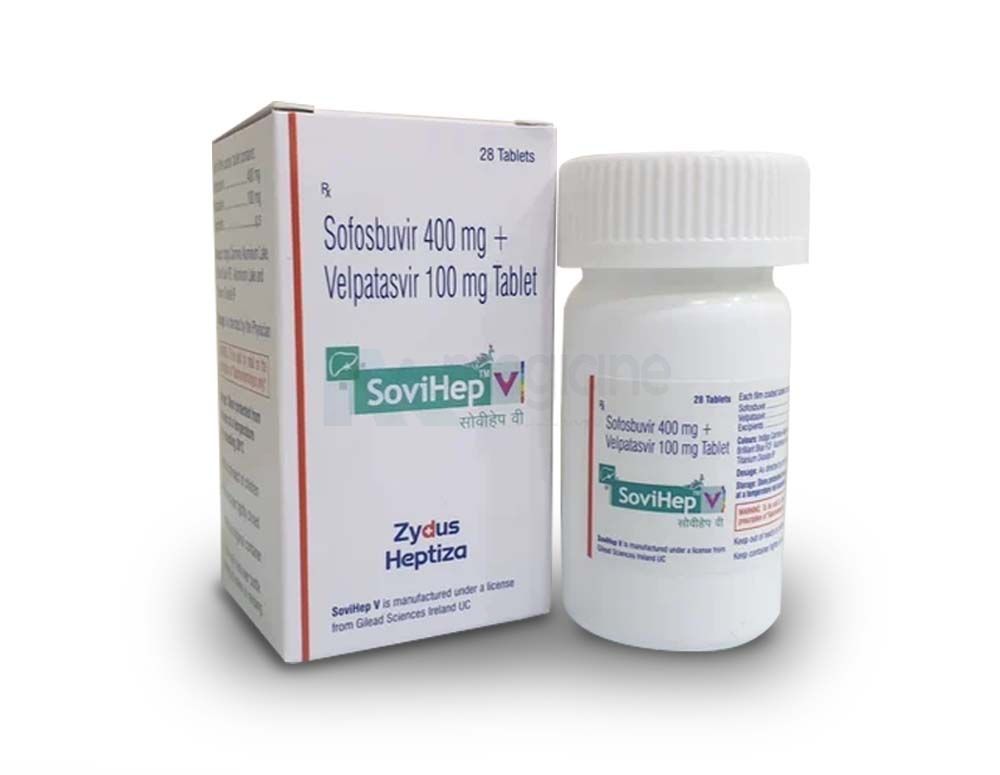
On the other hand doctor prescribe Sovihep V tablet for Hepatitis C treatment.It is a effective Direct Acting Antiviral(DAA) medication that aims to target the internal mechanism of HCV. It blocks the enzyme that is responsible for viral growth and further promotes its death.Many interferon based and other antiviral medication also cures Hepatitis C infection.
Conclusion
To conclude, Hepatitis C infection is life threatening yet treatable and manageable for long term survival.It requires proper antiviral medication.To get heavy discount on Sovihep V tablet cost in USA and UK, Visit Magicine Pharma. It offers worldwide delivery from trusted sources.
FAQs
1. Is Hepatitis C completely curable?
Yes, it is completely curable with effective medication.
2. Is it safe to breast feed a baby?
Yes, its safe to breast feed a baby if mother is HCV positive,especially if the newborn receives proper immunoprophylaxis at birth. As infection is not transferred via breast milk.