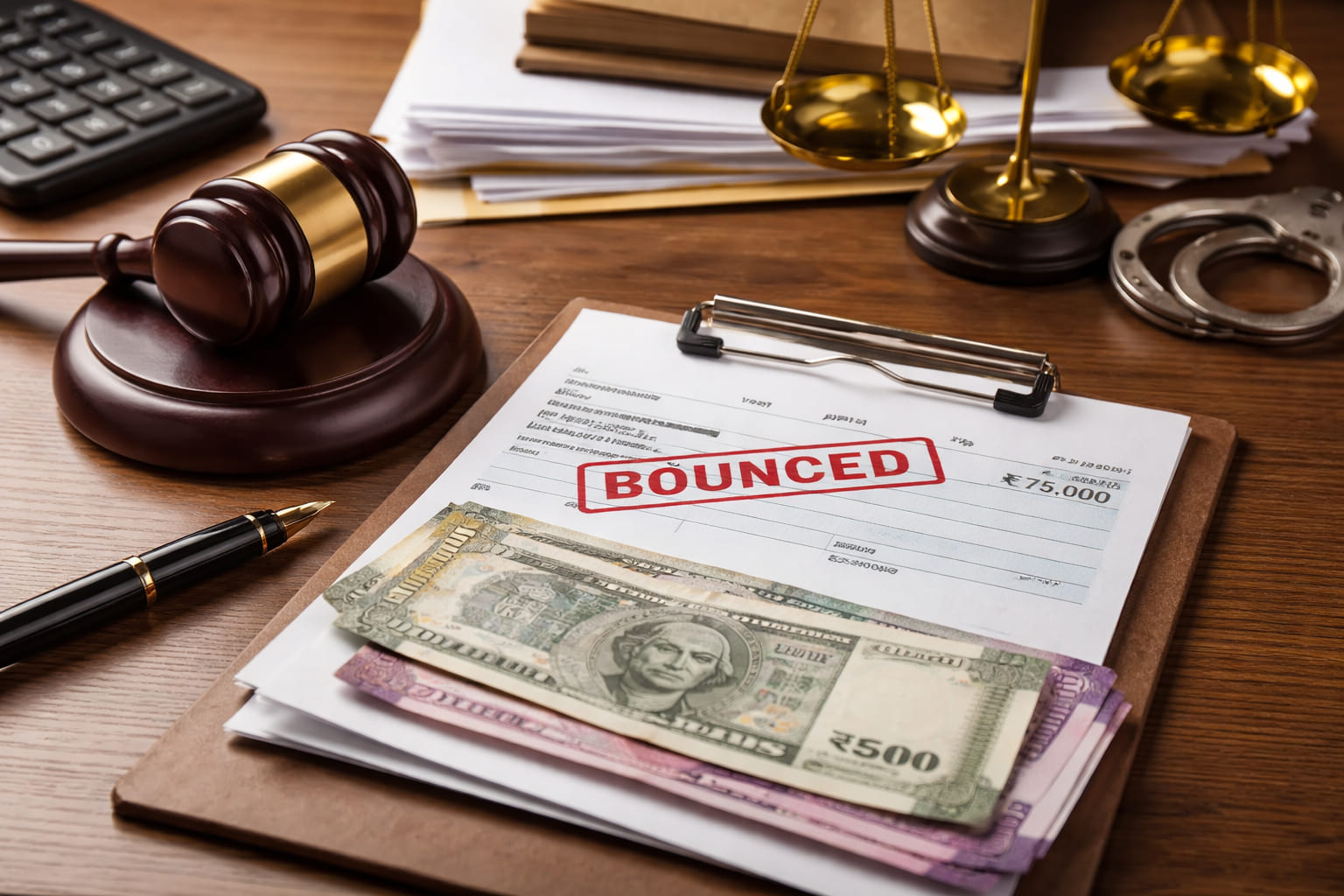
When it comes to business and everyday activities, checks are still a common way to pay. But cheque bounce, which can mess up finances and trust, is one of the most common legal problems people and companies deal with.
Updating the Negotiable Instruments Act of 1881 and putting more focus on faster conflict settlement have changed the laws that apply to bounced checks as we move through the year 2025. This piece provides a thorough explanation of the cheque bounce procedure, your rights, and how one of the best Cheque bounce lawyers can assist you in dealing with these problems.
Reasons for Cheque Bounce in India
There are lots of reasons why an Indian cheque might not clear. Here are some of them:
1. There is no money at all in your account
An important reason for a cheque to bounce is that there is no money in your account. A person must have that much money in their bank account to write a cheque for that amount. You will get the cheque back, though, if your account has no money in it at all.
2. Insufficiency of funds in the bank account
Section 138 of the Negotiable Instrument Act of 1881 says that another important reason is if the person does not have enough money in their bank account. If someone writes a cheque in their own name even though they have money in their account, the cheque will quickly bounce.
3. Mistake while writing a cheque
One must be cautious and avoid making any mistakes while engaging in financial transactions. Also, when you write a cheque in your own name, make sure you write all the information correctly. The cheque is likely to bounce if you make a mistake. Mistakes include things like a name that doesn’t match, the wrong date, the wrong account number, etc.
4. The amount of payment through a cheque is more than the set limit
A cheque will bounce if it is used to pay more than the permitted amount. This is the last and most important reason. The person only needs to take out the maximum amount possible for each exchange. The amount of a cash payment is not an exception either. Checks may not clear if the person writes more than the maximum amount the check can cover.
What to do If You Receive a Cheque Bounce Notice
Time matters a lot. Within 48 hours of getting the warning, use this list:
Preserve documents
Keep the envelope and the headers of any emails you sent with the letter very carefully. Keep copies of the cheque and the bank’s return note in case you need them. Get together any contracts, bills, talks, or emails that have anything to do with the deal.
Consult a Section 138 lawyer promptly
It is very important to get a formal answer quickly; a response within 15 days can have a big effect on the case. Getting help from the best Cheque bounce lawyers can help you understand your rights and legal choices.
Send a reasoned reply
If someone denies responsibility, the response should make it clear why they don’t agree, such as not having a legal debt, misusing a security check, or problems with the signature. Any mistakes in the procedure should also be brought to your attention.
Prepare for next steps
Without payment by the deadline, the complainant might launch a lawsuit. Being ready for court summonses and legal processes is crucial. Possible stages include organising a defensive strategy and studying bail conditions.
Conclusion
A bounced check is a severe offence in 2026. It might result in criminal prosecution, litigation, and image harm. As a company owner, landlord, or salaried worker, you must understand your Check Bounce Act and legal rights. Professionals like Patrons Legal, among the best Cheque bounce lawyers, offer expert guidance.