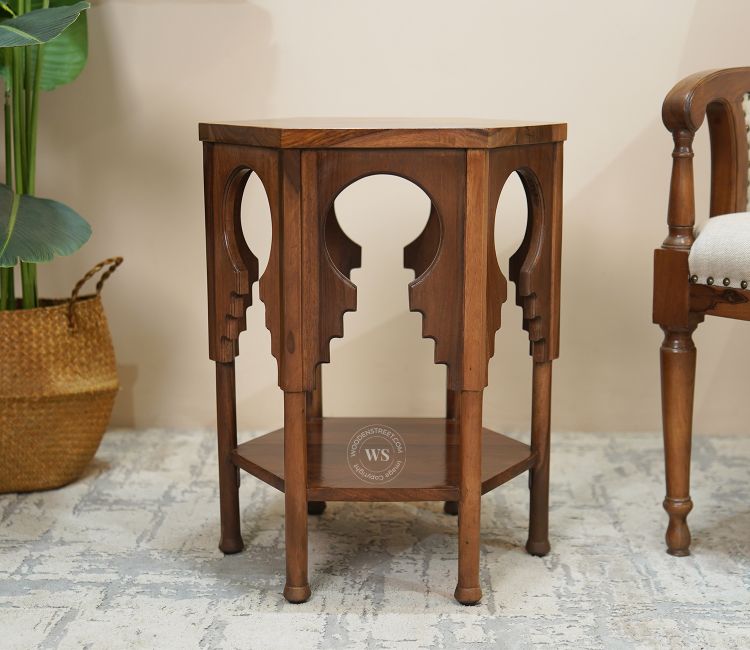
A side table may seem like a small addition to a room, but its role in daily life is far more significant than often assumed. It acts as a support system for everyday essentials, whether placed beside a sofa, bed, or even in a hallway. From holding a cup of tea to keeping books, gadgets, or decor items within reach, a well chosen side table brings both convenience and order to a space. Because it is used frequently, making the right choice becomes essential to ensure it fits seamlessly into your lifestyle and interior setup.
Considering the Purpose Before Buying
Before selecting a side table, it is important to understand its intended purpose. Some people use it purely for decorative reasons, while others rely on it for daily activities like working, reading, or organizing essentials. A side table used next to a bed may need space for a lamp and personal items, while one placed in a living room might serve guests or support decorative pieces. Identifying how you plan to use it will help narrow down the design, size, and features that suit your needs best.
Choosing the Right Size and Proportion
Size plays a crucial role when selecting a side table for daily use. A table that is too large can make a room feel cramped, while one that is too small may not serve its purpose effectively. The height of the side table should align with the furniture it is paired with, especially sofas or beds, to ensure comfort and easy access. Proper proportion helps maintain visual balance in the room and ensures that the table feels like a natural extension of the space rather than an afterthought.
Material and Durability Matter
Since a side table is used regularly, the material it is made from should be strong and durable. Wooden designs offer warmth and longevity, while metal options provide a sleek and modern look. Some tables also combine materials for added strength and visual appeal. Choosing a sturdy material ensures that the side table can handle everyday wear and tear without losing its functionality or charm over time. Durability becomes especially important if the table is used to hold heavier items or is placed in a high traffic area.
Storage and Functionality
Functionality is one of the most important aspects to consider. A side table with additional storage such as drawers or shelves can be extremely useful for keeping everyday items organized. This feature is particularly helpful in smaller spaces where maximizing storage is essential. Whether you need a place to store remote controls, books, or personal belongings, a thoughtfully designed side table can help reduce clutter and keep your living area neat and efficient.
Matching the Interior Style
A side table should complement the overall design of your home rather than clash with it. Whether your interior style is modern, traditional, or minimal, the table you choose should align with that theme. The color, finish, and design details should blend well with existing furniture to create a cohesive look. A well matched side table enhances the aesthetic appeal of a room and contributes to a more harmonious environment.
Ease of Maintenance
Daily use means that a side table is likely to experience spills, dust, and regular wear. Choosing a design that is easy to clean and maintain can save time and effort in the long run. Smooth surfaces are generally easier to wipe down, while certain finishes may require more care. Considering maintenance needs ensures that your side table remains in good condition and continues to look appealing even after prolonged use.
Mobility and Placement Flexibility
Another factor worth considering is how easy it is to move the side table around. Lightweight designs offer flexibility, allowing you to reposition the table whenever needed. This can be especially useful in dynamic living spaces where furniture arrangements change frequently. A versatile side table can be used in multiple rooms, adapting to different needs and situations without hassle.
Budget and Long Term Value
While it may be tempting to choose a side table based solely on price, it is important to consider its long term value. Investing in a well built table may cost more initially but can save money over time by reducing the need for replacements. A good quality side table not only lasts longer but also maintains its appearance and functionality, making it a worthwhile addition to your home.
Final Thoughts on Making the Right Choice
Choosing the right side table for daily use involves more than just picking a design that looks good. It requires careful consideration of purpose, size, material, functionality, and overall compatibility with your space. When selected thoughtfully, a side table can enhance both the practicality and beauty of your home. It becomes a reliable companion in everyday living, offering convenience while adding a subtle touch of style to your surroundings.