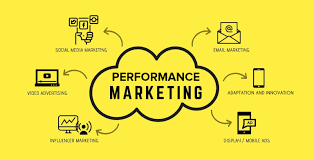
In the dynamic world of digital advertising, LinkedIn stands apart as a platform engineered for professional networking, business growth, and B2B engagement. As more companies shift their focus toward data-driven decision-making, Performance Marketing on LinkedIn has emerged as a powerful and results-oriented approach for B2B growth. This article explores the strategies that businesses can use to optimize their LinkedIn advertising for measurable outcomes, foster meaningful engagement with target audiences, and ultimately drive growth and revenue. Whether you are new to LinkedIn advertising or looking to refine your existing strategy, this comprehensive guide offers insights backed by the latest trends and practical expertise.
Understanding LinkedIn as a B2B Marketing Platform
LinkedIn was originally designed as a professional networking site. Over the years, it has evolved into a platform where businesses can connect with decision-makers, industry leaders, and niche audiences with precision. Unlike other social networks that prioritize leisure and entertainment, LinkedIn’s primary value lies in its professional context. Users are there with business intent, seeking insights, opportunities, and partnerships. This context makes it uniquely valuable for B2B marketers who want to reach professionals at key stages in the buying journey.
LinkedIn’s advertising ecosystem has grown more sophisticated, integrating advanced targeting capabilities that allow marketers to segment audiences based on industry, company size, job function, seniority, and even specific skills or interests. These capabilities set the stage for performance marketing strategies that are measurable, scalable, and aligned with business objectives such as lead generation, pipeline acceleration, and brand authority.
Within this environment, performance marketing focuses on creating campaigns where every action—such as clicks, conversions, and engagement—is tracked and optimized for measurable impact. This approach ensures that LinkedIn marketing efforts contribute directly to revenue outcomes rather than simply raising awareness.
Setting Clear, Measurable Goals
The foundation of any successful performance marketing strategy on LinkedIn is clear goal setting. Goals provide direction for campaign structure, messaging, and performance measurement. Many B2B companies aim to generate high-quality leads, but lead quality should always be defined with precision. For example, goals could include obtaining contact information from VP-level decision-makers in the cybersecurity industry or attracting sign-ups from enterprise-level operations managers for a software demo.
Setting goals also means defining success metrics. On LinkedIn, these may include cost per lead (CPL), conversion rate, engagement rate, and return on ad spend (ROAS). Establishing benchmarks for these metrics early enables marketers to continually assess whether campaigns are delivering the desired business outcomes.
Achieving clarity around goals requires marketers to collaborate closely with sales and business development teams. Understanding the ideal customer profile (ICP) and buyer personas ensures that campaign objectives align with broader revenue targets. Furthermore, a shared understanding of performance metrics between marketing and sales fosters accountability and enables more efficient optimization of LinkedIn campaigns.
Audience Targeting: Precision and Personalization
LinkedIn’s robust targeting capabilities are a core strength for B2B performance marketing. Effective audience targeting begins with a deep understanding of the ideal customer profile. For B2B companies, this often includes segmentation based on job title, company size, industry verticals, and geographic location. However, the sophistication of LinkedIn allows even deeper segmentation, such as targeting based on skills, group memberships, and specific interests relevant to your offering.
Once the audience is defined, personalization becomes the next step. LinkedIn allows advertisers to deliver customized messages that resonate with specific segments. For example, a software company could craft different ad copy for IT directors than for chief technology officers, even if the overall offer remains the same. Tailoring messaging to reflect the unique challenges and priorities of each segment increases engagement and improves conversion rates.
Another dimension of audience targeting is the use of matched audiences. This feature allows marketers to upload lists of existing contacts, such as email lists of current clients or prospects, and target them directly on LinkedIn. Matched audiences can also be used to retarget users who have interacted with your website or LinkedIn page, nurturing them further down the conversion funnel.
Incorporating audience insights into ad creative and messaging ensures that each campaign resonates with the people most likely to take action. This precision targeting enhances the efficiency of ad spend and elevates the overall performance of LinkedIn campaigns.
Crafting Compelling Creative and Messaging
While LinkedIn’s targeting capabilities are powerful, the impact of your ads ultimately depends on the strength of your creative and messaging. In a professional context, content that provides value, demonstrates expertise, and addresses tangible business challenges performs best.
Effective LinkedIn ads often start with a strong headline that speaks directly to the audience’s needs. Avoid generic phrases and instead focus on specific outcomes or insights. For example, “Reduce Procurement Costs by 30% with AI-Powered Insights” is more compelling than “Learn About AI Solutions.” The headline should immediately communicate relevance and a reason to engage.
The body of the ad should support the headline with clear benefits, a sense of urgency, and a concise explanation of the offer. Whether you are promoting a whitepaper, webinar, demo, or case study, focus on what the audience will gain. Use professional yet approachable language, keeping in mind that LinkedIn users expect content that respects their time and intelligence.
Visual elements are equally important. Eye-catching imagery or clean, branded graphics can significantly increase engagement. For video ads, ensure that the first few seconds capture attention and communicate the core value proposition. Videos should be captioned, as many users watch without sound. LinkedIn also supports document ads that allow users to swipe through brochures, reports, or presentations directly within the platform. This format is particularly useful for educational content such as detailed research findings or step-by-step guides.
Experimentation and testing play a key role in optimizing creative performance. A/B testing allows you to compare variations of headlines, visuals, and calls to action to determine what resonates best with different audience segments. Continual refinement based on performance data helps maintain relevance and efficiency.
Lead Generation and Conversion Optimization
Generating leads on LinkedIn is about more than capturing names and emails. It is about attracting the right prospects and guiding them toward meaningful actions that align with business objectives. Lead generation forms on LinkedIn are a valuable tool in this regard, allowing users to submit their information without leaving the platform. When configured effectively, these forms can significantly increase conversion rates.
To optimize lead forms, keep them concise and focused. Ask only for essential information that your sales team requires to follow up meaningfully. Too many fields can deter users from completing the form. Additionally, use custom questions when appropriate to gather insights that help qualify leads.
Offer value in exchange for contact information. Whitepapers, industry reports, product demos, and exclusive webinars are typical offerings that professionals find appealing. The content must be relevant, informative, and aligned with the audience’s business challenges. An offer that feels transactional or self-serving is less likely to convert.
Conversion optimization also extends to post-submission experiences. After a user submits a lead form, ensure they receive immediate acknowledgment and access to the promised asset. Follow-up communications should be timely and personalized, ideally incorporating automation tools to nurture leads while maintaining a human touch. Integrating LinkedIn lead data with your customer relationship management (CRM) system enables prompt and relevant follow-up from sales teams, increasing the likelihood of conversion.
Measurement, Analytics, and Continuous Improvement
Performance marketing thrives on measurement and iteration. LinkedIn’s campaign analytics provide a wealth of data that enables marketers to assess how ads are performing against key metrics. Monitoring metrics such as click-through rates, conversion rates, cost per lead, and engagement levels helps identify what is working and where improvements are needed.
It is essential to adopt a data-informed mindset. Rather than relying on intuition or assumptions, base decisions on performance data. For example, if a particular audience segment consistently shows low engagement, consider revising the message or excluding that segment to reallocate budget more effectively. If a specific creative format outperforms others, explore similar variations to capitalize on that success.
Conversion tracking is a cornerstone of performance analysis. LinkedIn’s Insight Tag enables tracking of actions users take on your website after clicking or interacting with your ads. This tracking allows you to attribute conversions accurately and understand the customer journey. By analyzing the full funnel—from impression to conversion—you gain insights into how different campaign elements contribute to business outcomes.
Regular reporting and cross-functional collaboration are equally important. Sharing performance insights with sales, product, and executive teams aligns expectations and informs strategic decisions. Reports should focus on outcomes rather than vanity metrics, emphasizing how LinkedIn campaigns contribute to lead quality, pipeline growth, and revenue generation.
Budgeting and Bid Strategy
Allocating budget on LinkedIn requires strategic thinking. Performance marketing emphasizes efficient use of resources, ensuring that every dollar spent contributes to tangible outcomes. LinkedIn offers flexible budgeting options, allowing marketers to set daily or total campaign budgets and choose between automated or manual bidding strategies.
Automated bidding optimizes for your chosen objective, such as conversions or clicks, based on LinkedIn’s algorithm. This approach is beneficial when you want to let the platform dynamically adjust bids to maximize performance. Manual bidding, on the other hand, gives marketers more control over cost per result. Manual bids are useful when historical data provides clear insights into what bid levels drive efficient performance.
Budget allocation should be informed by campaign priorities and audience value. For high-priority segments—such as enterprise decision-makers—allocating more budget may be justified to ensure visibility and engagement. Conversely, experimental campaigns can operate with smaller budgets to test concepts before scaling.
It is also important to monitor performance regularly and reallocate budget as needed. Campaigns that drive strong results should receive additional investment, while underperforming campaigns may require optimization or budget reduction. A disciplined approach to budgeting ensures that resources are used where they generate the greatest impact.
LinkedIn Strategy Beyond Advertising
While paid advertising is a central component of performance marketing on LinkedIn, organic presence and content strategy enhance paid efforts. A strong company page, thought leadership content, and active engagement in relevant groups build credibility and trust. When audiences see consistent, valuable content from your brand organically, they are more receptive to paid messages.
Senior leaders and subject matter experts within your organization can also amplify reach by sharing insights and participating in professional conversations. This humanizes your brand and fosters deeper connections with your target audience. Additionally, content such as long-form articles, posts, and videos that address industry pain points can establish authority and attract organic followers who may later engage with paid campaigns.
Integrating organic and paid strategies creates a cohesive presence on LinkedIn. Paid campaigns can amplify high-performing organic content, while insights from organic performance can inform ad messaging and audience targeting.
Investing in Skills and Training
To execute successful LinkedIn performance marketing strategies, marketers need a solid foundation in digital advertising principles and platform-specific techniques. Investing in professional development can elevate campaign outcomes. For those looking to enhance their expertise, a Performance Marketing Course can provide structured learning on topics such as audience segmentation, analytics, creative optimization, and conversion strategies. Training not only builds technical skills but also fosters strategic thinking necessary for navigating complex B2B marketing landscapes.
Conclusion
Performance marketing on LinkedIn offers B2B companies a powerful pathway to measurable growth, deeper audience engagement, and increased revenue performance. By setting clear goals, leveraging precise audience targeting, crafting compelling creative, and optimizing campaigns through data-driven insights, marketers can unlock the full potential of LinkedIn’s professional network. With thoughtful strategy, continual learning, and a commitment to optimization, LinkedIn performance marketing becomes not just a channel for visibility, but a driver of business success.