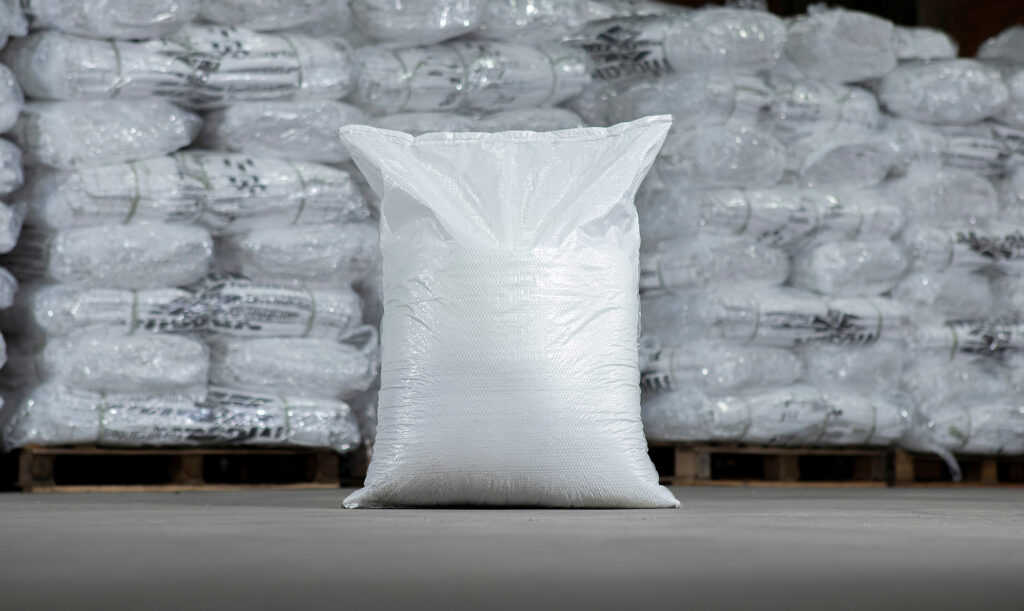
PP woven bags have become one of the most widely used packaging solutions across the globe due to their strength, adaptability, and economic value. Manufactured from polypropylene (PP) woven fabric, these bags are designed to handle heavy loads while offering protection against moisture, dust, and external damage. From agriculture and construction to retail and industrial logistics, PP woven bags play a vital role in modern packaging systems.
What Are PP Woven Bags?
PP woven bags are made by weaving polypropylene tapes into a strong, lightweight fabric. Polypropylene is a thermoplastic polymer known for its high tensile strength, chemical resistance, and durability. The woven structure enhances load-bearing capacity while maintaining flexibility, making these bags ideal for bulk packaging.
These bags can be produced in various styles, sizes, and constructions, allowing them to serve a wide range of applications. Depending on requirements, PP woven bags may include lamination, liners, valves, or special coatings to improve performance.
Key Characteristics of PP Woven Bags
One of the most significant characteristics of PP woven bags is their outstanding strength-to-weight ratio. Despite being lightweight, they can carry heavy materials without tearing or deforming. This makes them highly efficient for transportation and storage.
PP woven bags also offer excellent resistance to moisture, chemicals, and abrasion. Laminated versions provide an additional protective barrier, preventing water penetration and enhancing product safety. Their breathable nature, when unlaminated, allows airflow, which is beneficial for agricultural products.
Another important feature is flexibility. PP woven bags can be folded, stacked, and reused multiple times without losing structural integrity.
Manufacturing Process of PP Woven Bags
The production of PP woven bags begins with melting polypropylene granules and extruding them into flat tapes. These tapes are stretched to improve strength and then woven into fabric using circular or flat looms.
The woven fabric is then cut, stitched, or heat-sealed into bag shapes. Optional lamination involves coating the fabric with polypropylene film to improve moisture resistance and printing quality. Additional features such as liners, valves, handles, or gussets can be added based on application needs.
Types of PP Woven Bags
PP woven bags are available in multiple types to suit different industries:
- Plain PP Woven Bags for basic packaging
- Laminated PP Woven Bags for moisture protection
- PP Woven Bags with Inner Liner for fine powders and hygroscopic materials
- Valve Type PP Woven Bags for automated filling
- PP Box Type Bags with flat bottoms for stable stacking
- Printed PP Woven Bags for branding and information display
Each type is designed to address specific packaging challenges.
Applications in Agriculture
Agriculture is one of the largest users of PP woven bags. These bags are ideal for packaging grains, seeds, animal feed, fertilizers, and sugar. Their strength ensures safe handling, while optional liners protect contents from moisture and pests.
Unlaminated PP woven bags allow airflow, which helps prevent mold formation during storage. Laminated versions are used when higher moisture protection is required.
Role in Construction Industry
In construction, PP woven bags are widely used for cement, sand, aggregates, and other building materials. Their high load capacity and resistance to tearing make them suitable for rough handling and heavy-duty use.
Valve type PP woven bags are especially popular in cement plants due to their dust-free filling and efficient sealing.
Industrial and Chemical Packaging
PP woven bags are commonly used in chemical and industrial sectors for packaging powders, granules, resins, and raw materials. Their chemical resistance ensures safe storage and transport of various substances.
Special coatings or liners can be added to prevent leakage and contamination, meeting industry safety standards.
Use in Food and Retail Sectors
Food-grade PP woven bags are used for packaging rice, flour, pulses, sugar, and other edible products. These bags comply with hygiene regulations and protect contents from external contamination.
In retail, PP woven bags are often used as reusable shopping bags, promotional bags, and bulk packaging solutions. Their durability and printability make them ideal for branding purposes.
Advantages of PP Woven Bags
One of the main advantages of PP woven bags is cost efficiency. They offer high performance at a relatively low cost, making them suitable for large-scale packaging operations.
Their reusability and long service life reduce overall packaging expenses. PP woven bags are also lightweight, which lowers transportation costs.
Another major benefit is customization. Businesses can tailor size, color, printing, and construction to match specific requirements.
Environmental Considerations
PP woven bags are recyclable and reusable, contributing to sustainable packaging practices. Compared to single-use plastic packaging, they generate less waste due to their durability.
Many manufacturers are adopting eco-friendly production methods and using recyclable materials to minimize environmental impact. Reuse of PP woven bags in multiple cycles further supports waste reduction.
Storage and Handling Guidelines
To maintain performance, PP woven bags should be stored in dry, shaded areas away from prolonged UV exposure. Proper stacking helps prevent deformation and extends bag life.
Avoid sharp objects and excessive overloading to reduce the risk of damage during use.
Customization and Branding Opportunities
PP woven bags offer excellent printing options through flexographic or gravure printing. Businesses can display logos, product details, barcodes, and safety instructions clearly.
Custom features such as handles, gussets, anti-slip coatings, and UV stabilization enhance functionality and brand value.
Market Demand and Future Outlook
The global demand for PP woven bags continues to grow due to expanding agriculture, construction, and industrial activities. E-commerce and bulk logistics further drive the need for strong and reliable packaging solutions.
Innovations in material technology and sustainable design are expected to enhance the performance and eco-friendliness of PP woven bags in the future.
Conclusion
PP woven bags are a cornerstone of modern packaging due to their strength, versatility, and cost-effectiveness. Their wide range of applications, customization options, and environmental benefits make them an ideal choice for businesses across multiple industries.