Data growth has become constant. Backups expand daily. Video files multiply. Analytics datasets grow heavier. Many IT teams struggle because their storage systems were built for smaller workloads and predictable expansion.
Buying separate servers, configuring software layers, and managing compatibility issues consume time and resources. Enterprises need a unified approach that reduces complexity while delivering scalability and performance.
This is where an Object Storage Appliance becomes highly valuable.
What Is an Integrated Storage Appliance?
An appliance is a pre-configured system that combines hardware and software into a single platform. Instead of purchasing storage servers, networking components, operating systems, and object software separately, organizations deploy a ready-to-use solution.
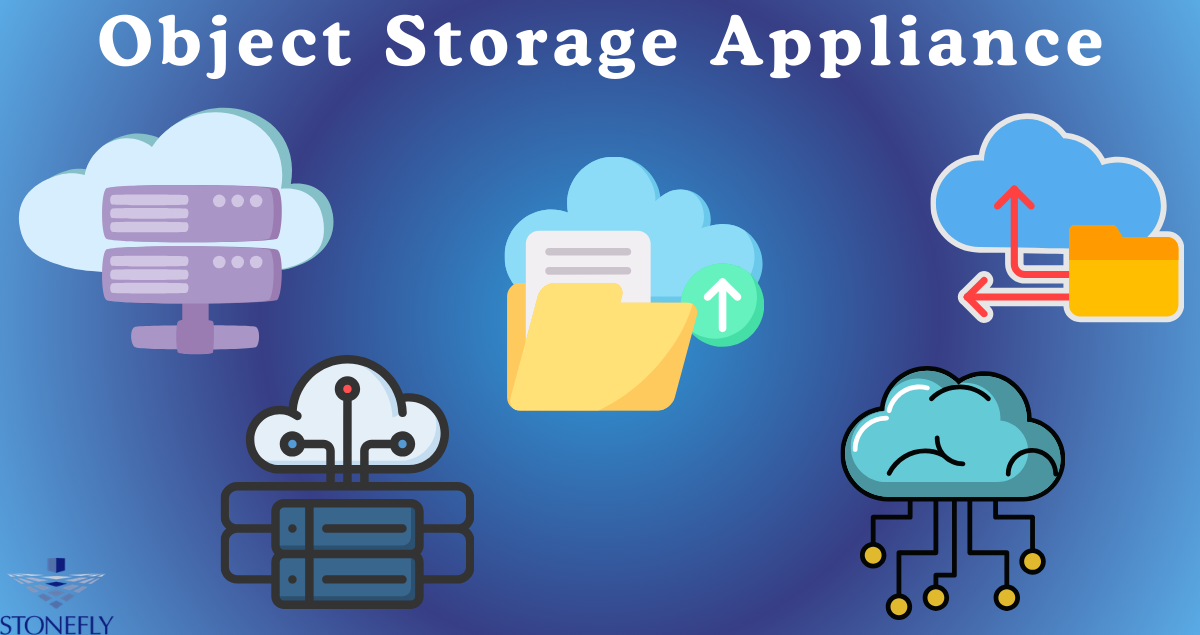
An Object Storage Appliance provides object-based architecture inside a compact, optimized system. It removes integration challenges and shortens deployment time.
This approach allows IT teams to focus on managing data rather than assembling infrastructure components.
Why Enterprises Are Moving Toward Appliance-Based Storage
Traditional storage rollouts often involve multiple vendors. Hardware comes from one provider, storage software from another, and networking from a third. This increases troubleshooting complexity.
An Object Storage Appliance simplifies procurement and support. There is a single system designed to work together efficiently.
Businesses choose this model for three main reasons: predictable performance, simplified management, and faster implementation.
Core Architecture Overview
An appliance-based object storage system typically includes:
- High-density storage nodes
- Built-in object storage software
- Redundant power supplies
- High-speed network interfaces
- Centralized management console
Data is distributed across internal drives using replication or erasure coding for durability. If a drive fails, the system automatically rebuilds data without interruption.
This architecture ensures reliability while maintaining scalability.
Key Benefits of Deploying an Appliance
Faster Deployment
Setting up traditional storage can take weeks. IT teams must install operating systems, configure clusters, test compatibility, and integrate backup tools.
An Object Storage Appliance arrives pre-configured. Deployment often requires minimal setup before production use.
This reduces operational delays and speeds up project timelines.
Predictable Performance
Because hardware and software are optimized together, performance remains consistent.
There is no guesswork about compatibility or driver issues. The system is engineered to handle object workloads efficiently.
For organizations running backup repositories or analytics environments, this consistency improves reliability.
Simplified Management
A centralized dashboard allows administrators to:
- Monitor storage capacity
- Track system health
- Configure access controls
- Manage object buckets
An Object Storage Appliance reduces administrative overhead by combining these functions into a unified interface.
High Durability
Object storage systems protect data using redundancy mechanisms. Appliances are designed with failure scenarios in mind.
If a node or disk fails, data remains available. Automatic rebalancing restores redundancy without manual intervention.
This durability makes appliances ideal for critical backup and archive environments.
Common Enterprise Use Cases
Backup and Ransomware Protection
Modern backup software integrates easily with object storage. An appliance provides a secure repository with features like immutability and versioning.
These capabilities prevent attackers from altering stored backups.
Organizations often deploy an Object Storage Appliance specifically to isolate backup data from production systems.
Archiving Large Datasets
Archival storage must be reliable and cost-effective. Object storage excels at managing long-term data retention.
Appliances provide scalable capacity while maintaining efficient retrieval speeds.
Industries such as healthcare, finance, and media rely on this architecture for regulatory compliance.
AI and Machine Learning Data Lakes
AI training requires access to massive datasets. Object-based architecture allows seamless ingestion and retrieval of large files.
An appliance-based system keeps data close to compute resources, improving throughput and reducing latency.
Media and Video Repositories
High-resolution video consumes significant space. Object storage appliances handle these workloads efficiently due to their distributed design.
They allow media companies and surveillance operators to store and retrieve content at scale.
Security Features That Strengthen Protection
Security is critical for enterprise storage.
Modern appliances include encryption at rest and in transit. Role-based access control ensures only authorized users can modify data.
An Object Storage Appliance often supports immutability policies that lock objects for a defined retention period. This protects against accidental deletion and malicious attacks.
Audit logs track activity for compliance and internal reviews.
Scalability Without Major Upgrades
One advantage of appliance-based object storage is horizontal expansion.
When capacity runs low, organizations add additional appliances or nodes to the cluster. The system integrates them automatically.
There is no need for forklift replacements or disruptive migrations.
An Object Storage Appliance supports long-term growth by scaling incrementally.
Cost Considerations
While appliances require upfront investment, they often reduce long-term expenses.
Benefits include:
- Lower maintenance complexity
- Reduced integration costs
- Fewer compatibility issues
- Predictable support structure
Over time, enterprises find that an Object Storage Appliance delivers stable performance without escalating operational costs.
Comparing Appliance-Based Storage to DIY Object Storage
Some organizations build their own object storage clusters using commodity hardware and open-source software. While this offers flexibility, it also increases responsibility.
DIY deployments require internal expertise for:
- Hardware compatibility
- Software updates
- Troubleshooting
- Performance optimization
An appliance shifts these responsibilities to the vendor, simplifying support and lifecycle management.
Deployment Planning Considerations
Before implementation, businesses should assess:
- Current storage consumption
- Expected growth rate
- Network bandwidth
- Compliance requirements
- Backup integration needs
Choosing the right capacity model ensures optimal performance from day one.
A properly sized Object Storage Appliance prevents early expansion challenges.
Performance Optimization Strategies
To maximize throughput and reliability:
- Use high-speed networking infrastructure
- Separate backup and production traffic
- Enable monitoring alerts
- Schedule regular system health checks
These steps ensure the appliance operates efficiently under heavy workloads.
Future Outlook for Appliance-Based Object Storage
As enterprises adopt AI, IoT, and advanced analytics, storage requirements will continue increasing.
Organizations need infrastructure that adapts without constant redesign.
Appliance-based object storage provides a stable platform for long-term expansion. It combines scalability, security, and simplified management into one system.
Businesses that invest in streamlined storage solutions today reduce complexity and improve resilience tomorrow.
Conclusion
Enterprise data growth shows no signs of slowing. Managing that growth with fragmented storage components creates inefficiencies and operational risk.
Integrated storage systems offer a more practical approach. They combine optimized hardware and object-based software into a unified solution.
An Object Storage Appliance delivers predictable performance, strong durability, simplified management, and scalable expansion. It supports backups, archives, analytics, and media workloads within a reliable framework.
For organizations seeking stable, future-ready infrastructure, appliance-based object storage provides clarity, control, and long-term value.
FAQs
1. How is an object storage appliance different from traditional NAS?
NAS uses file-based architecture, while an appliance built on object storage uses a distributed object model that scales more efficiently for unstructured data.
2. Can an appliance integrate with existing backup software?
Yes. Most enterprise backup platforms support object storage targets and connect easily through standard APIs.
3. Is appliance-based storage suitable for small businesses?
It can be, depending on data growth and workload requirements. Many vendors offer scalable entry-level models.
4. How does an appliance protect against hardware failure?
Data is distributed across drives and nodes using redundancy methods. If hardware fails, the system automatically rebuilds data.
5. Can storage capacity be expanded later?
Yes. Additional nodes or appliances can be added to increase capacity without major downtime.