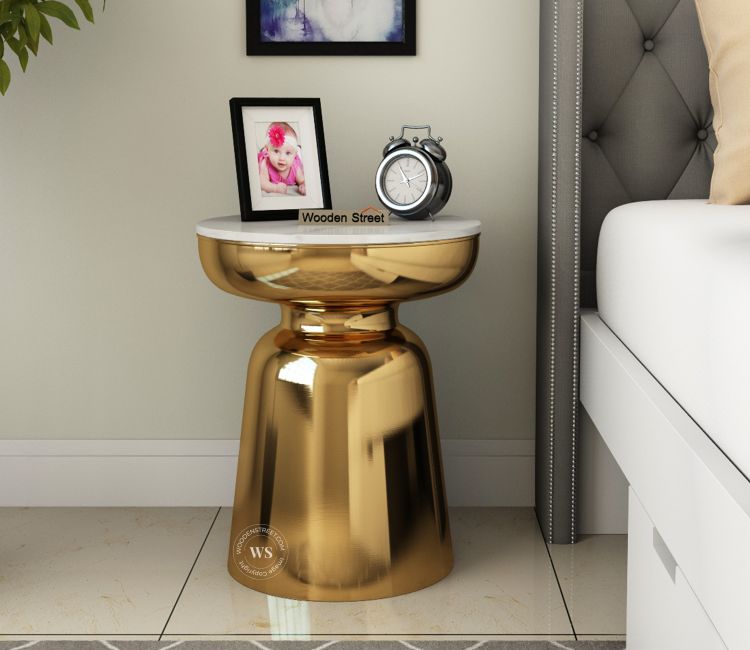
A well-chosen side table can quietly transform the look and functionality of any room. Often seen as a secondary piece of furniture, it plays a significant role in organizing essentials, improving accessibility, and elevating the overall aesthetic of a space. Whether placed beside a sofa, bed, or accent chair, the right side table offers both convenience and visual harmony. Selecting one requires thoughtful consideration of size, design, material, and purpose to ensure it blends seamlessly with the rest of the interior.
Understanding the Purpose of a Side Table
Before choosing a side table, it is important to identify how it will be used in your space. Some people need it to hold daily essentials like books, lamps, or beverages, while others prefer it as a decorative surface for displaying accents. Understanding the primary purpose helps narrow down the features you should look for. A side table meant for functional use may require storage options such as drawers or shelves, while a decorative one may focus more on design and finish.
In living rooms, a side table often complements seating arrangements and provides easy access to frequently used items. In bedrooms, it functions as a bedside companion, keeping necessities within reach. Recognizing these roles ensures that your choice supports both utility and convenience.
Choosing the Right Size and Proportion
Size is one of the most crucial factors when selecting a side table. A table that is too large can overwhelm the space, while one that is too small may look out of place or fail to serve its purpose effectively. The height of the side table should ideally align with the armrest of the sofa or the height of the mattress when used beside a bed. This alignment ensures easy accessibility and maintains visual balance.
The width and depth should also be proportional to the surrounding furniture. In compact rooms, a slim and minimal side table can help maintain openness, while larger spaces can accommodate broader designs without appearing crowded. Careful attention to proportions enhances both the practicality and the visual appeal of the furniture.
Selecting Materials That Suit Your Lifestyle
The material of a side table greatly influences its durability, maintenance, and overall look. Wooden designs bring warmth and timeless charm, making them suitable for both traditional and modern interiors. Metal options often add a sleek and contemporary touch, while glass surfaces create an illusion of openness, especially in smaller rooms.
When choosing materials, it is important to consider your lifestyle. Homes with children or pets may benefit from sturdy and easy to maintain options. On the other hand, if the focus is on aesthetics, more delicate materials can be considered. The right material ensures that the side table remains both functional and visually appealing over time.
Matching the Design with Interior Style
A side table should complement the overall theme of the room rather than stand out awkwardly. Whether your interior style leans towards modern simplicity, rustic charm, or classic elegance, the design of the side table should align with it. Clean lines and neutral finishes work well in contemporary spaces, while intricate detailing suits more traditional settings.
Color coordination is equally important. A side table can either blend with existing furniture or act as a subtle contrast to add visual interest. Choosing a design that harmonizes with the room creates a cohesive and well-balanced environment.
Considering Storage and Functionality
Modern homes often require furniture that offers more than just visual appeal. A side table with built-in storage can be highly practical, especially in smaller spaces where organization is essential. Drawers, open shelves, or hidden compartments provide convenient storage for everyday items without cluttering the room.
Functionality also extends to features such as mobility and adaptability. Lightweight designs can be easily moved, while multi purpose tables can serve different needs across various settings. A well designed side table enhances usability while maintaining a neat and organized space.
Placement and Space Optimization
The placement of a side table can significantly impact its effectiveness. Positioning it within easy reach of seating or sleeping areas ensures maximum convenience. It should not obstruct movement or make the space feel cramped. Instead, it should enhance accessibility without compromising comfort.
In smaller rooms, thoughtful placement can make a big difference. A corner side table or a compact design can utilize unused spaces efficiently. In larger rooms, multiple side tables can be used to create symmetry and balance. Proper placement helps integrate the furniture seamlessly into the layout.
Balancing Aesthetics with Practical Needs
While it is tempting to focus solely on appearance, a side table should also meet practical requirements. The ideal choice is one that strikes a balance between style and usability. A visually appealing design that lacks functionality may not serve its purpose effectively, while a purely functional piece may not enhance the room’s decor.
Combining both aspects ensures long term satisfaction. A side table that looks good and performs well becomes an essential part of everyday living. It adds character to the space while supporting daily activities in a subtle yet impactful way.
Paying Attention to Finishing Details
The finishing touches of a side table can elevate its overall appeal. Smooth edges, polished surfaces, and well crafted details contribute to a refined look. Even small elements such as handles or leg designs can influence the overall impression.
High quality finishes not only enhance appearance but also improve durability. A well finished side table is easier to maintain and retains its charm over time. Paying attention to these details ensures that the furniture remains a valuable addition to your home.
Making a Thoughtful Investment
Choosing the right side table is not just about immediate needs but also about long term value. Investing in a durable and versatile piece ensures that it remains useful even as your interior style evolves. A timeless design can adapt to different settings, making it a practical choice for years to come.
Taking time to evaluate options and consider your requirements leads to a more informed decision. A carefully selected side table enhances both functionality and design, contributing to a comfortable and visually pleasing living space.
Conclusion
A side table may seem like a small addition, but its impact on a room is significant. From providing convenience to enhancing aesthetics, it plays a versatile role in modern homes. By considering factors such as purpose, size, material, design, and placement, you can select a side table that perfectly balances utility and style. Thoughtful selection ensures that this simple piece of furniture becomes an essential and elegant part of your everyday living environment.