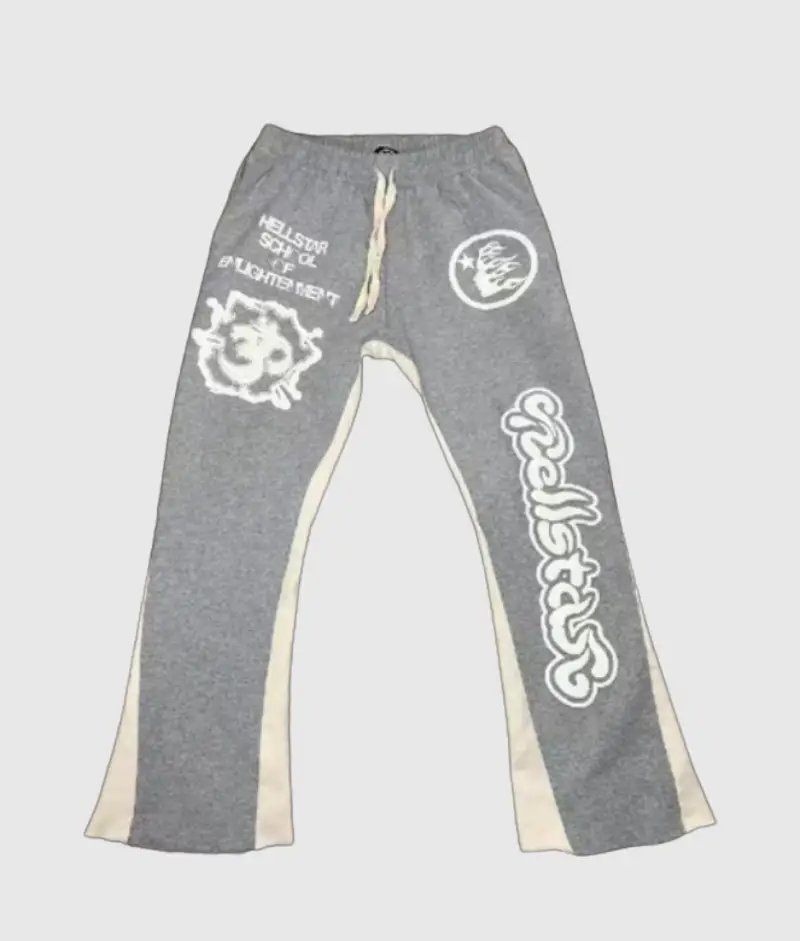
In a world saturated with fast fashion and fleeting trends, Tapestry Pants stand out as a bold celebration of craftsmanship, storytelling, and personal expression. They are not just garments; they are wearable canvases that transform intricate textile art into statement pieces. With their richly woven patterns, textured surfaces, and timeless aesthetic, tapestry pants invite wearers to step beyond ordinary fashion and embrace something layered with depth and character. Whether styled casually or dressed up for an artistic flair, these pants embody a harmonious blend of tradition and modern design.
The Artistic Legacy Behind Tapestry Weaving
To truly appreciate tapestry pants, one must first understand the heritage of tapestry weaving itself. Tapestry has long been associated with storytelling through textiles, dating back centuries when elaborate woven pieces adorned the walls of castles and grand estates. One of the most famous historical examples is the Bayeux Tapestry, an embroidered cloth that narrates the events leading up to the Norman Conquest of England. Although technically embroidery rather than true tapestry weaving, it symbolizes the narrative power textiles can hold.
Traditional tapestry weaving involves interlacing colored weft threads through warp threads to create complex patterns and imagery. Unlike printed fabrics, tapestry designs are woven directly into the textile, giving them a textured, dimensional quality that cannot be replicated by surface printing. When this age-old technique is adapted into modern clothing, such as pants, it brings with it a sense of artistry and authenticity rarely found in mass-produced garments.
What Makes Tapestry Pants Unique?
Tapestry pants are defined by their intricate woven designs, often featuring floral motifs, abstract patterns, baroque swirls, or vintage-inspired illustrations. The fabric is typically heavier and more structured than standard cotton or denim, lending the pants a tailored and substantial feel. Because the patterns are woven rather than printed, the colors appear richer and more enduring, with subtle variations that add visual depth.
Each pair feels distinctive. Even when produced in small batches, slight differences in the weave or color placement can make every garment feel one-of-a-kind. This uniqueness appeals to those who value individuality in their wardrobe. Tapestry pants are not designed to blend into the background; they are meant to be noticed, admired, and remembered.
The textural quality also enhances their appeal. When you run your hand across tapestry fabric, you can feel the raised threads and layered construction. This tactile experience sets them apart from smooth, flat textiles. It is fashion that engages not only the eye but also the sense of touch.
A Fusion of Vintage Charm and Modern Silhouettes
While tapestry weaving carries centuries of history, tapestry pants are firmly rooted in contemporary style. Designers have reimagined traditional motifs within modern cuts, including high-waisted trousers, wide-leg silhouettes, cropped ankle pants, and relaxed straight-leg fits. This fusion creates a striking balance between old-world charm and present-day fashion sensibilities.
High-waisted tapestry pants, for example, emphasize the waist and elongate the legs, creating a flattering silhouette that pairs beautifully with fitted tops or tucked-in blouses. Wide-leg versions evoke an artistic, bohemian vibe, flowing gracefully while showcasing the detailed patterns across a broader canvas of fabric. Meanwhile, slim-cut tapestry pants offer a more structured look, allowing the intricate designs to take center stage without overwhelming the frame.
This adaptability ensures that tapestry pants can align with a variety of personal styles—from eclectic and avant-garde to refined and sophisticated.
Styling Tapestry Pants for Everyday Elegance
Despite their elaborate appearance, Tapestry pants can be surprisingly versatile. The key to styling them lies in balance. Because the fabric itself is richly patterned, pairing the pants with simpler tops allows the design to shine without visual competition. A crisp white shirt, a fitted black turtleneck, or a soft neutral knit can ground the look while maintaining elegance.
For those who love bold fashion choices, tapestry-on-tapestry styling can create a dramatic, editorial-worthy ensemble. Mixing complementary patterns or coordinating colors can elevate the outfit into a statement of fearless creativity. Accessories should be chosen thoughtfully—minimalist jewelry often works best, as it avoids detracting from the intricate fabric.
Footwear choices can further shape the overall aesthetic. Ankle boots add a touch of edge, loafers lend sophistication, and strappy heels bring an element of refined glamour. Even casual sneakers can work, transforming tapestry pants into an unexpected street-style look.
Craftsmanship and Quality: A Sustainable Appeal
In an era increasingly focused on sustainability, tapestry pants offer an appealing alternative to disposable fashion. Their durable weave and thicker fabric construction often result in a longer lifespan compared to lighter, trend-driven garments. Because the patterns are integrated into the textile rather than printed on the surface, they are less prone to fading or cracking over time.
Many tapestry fabrics are crafted using traditional weaving methods that emphasize quality over quantity. This slower production process aligns with the growing appreciation for mindful consumption. Investing in tapestry pants can feel like acquiring a wearable piece of art—something meant to be cherished rather than discarded after a single season.
Moreover, the timeless aesthetic of tapestry designs resists the rapid turnover of fashion trends. Floral vines, ornate damasks, and intricate geometric motifs have persisted for centuries in various forms. By incorporating these enduring patterns into modern silhouettes, tapestry pants transcend seasonal limitations.
Cultural Influence and Global Inspiration
Tapestry-inspired designs draw from diverse cultural influences around the world. European baroque patterns, Middle Eastern geometric motifs, and Asian floral compositions have all found their way into tapestry textiles. Each influence brings its own symbolism and visual language, contributing to the richness of the final garment.
This global inspiration allows tapestry pants to serve as subtle tributes to artistic traditions spanning continents. They embody a cross-cultural dialogue expressed through threads and color. For wearers, this can foster a deeper appreciation of textile art and the interconnected history of design.
Confidence Through Statement Dressing
Wearing tapestry pants requires a certain level of confidence. Their bold patterns and textured presence naturally draw attention. Yet this visibility can be empowering. Statement pieces often become conversation starters, reflecting the wearer’s creative spirit and willingness to embrace distinctive style choices.
Rather than conforming to minimalist norms, tapestry pants encourage expressive dressing. They challenge the idea that sophistication must be understated. Instead, they prove that elegance can coexist with vibrancy and detail. For many, putting on tapestry pants feels like stepping into a more artistic version of themselves—someone unafraid to celebrate color, complexity, and craftsmanship.
Caring for Your Tapestry Pants
Given their woven construction, tapestry pants benefit from thoughtful care. Gentle washing or dry cleaning is often recommended to preserve the integrity of the fibers. Avoiding excessive heat and harsh detergents helps maintain both texture and color vibrancy. Proper storage—such as hanging them to prevent creases—ensures the fabric retains its shape and structure.
With attentive maintenance, tapestry pants can remain a wardrobe staple for years. Their enduring appeal often means they resurface season after season, styled in new ways as trends evolve.
The Enduring Allure of Woven Fashion
Syna World represent more than a passing trend; they symbolize the enduring relationship between art and attire. By transforming a centuries-old weaving technique into contemporary clothing, they bridge past and present in a tangible, wearable form. Each thread contributes to a larger visual narrative, much like strokes in a painting or notes in a symphony.
Read More: Adwysd Clothing: More Than Fashion, It’s a Way of Living