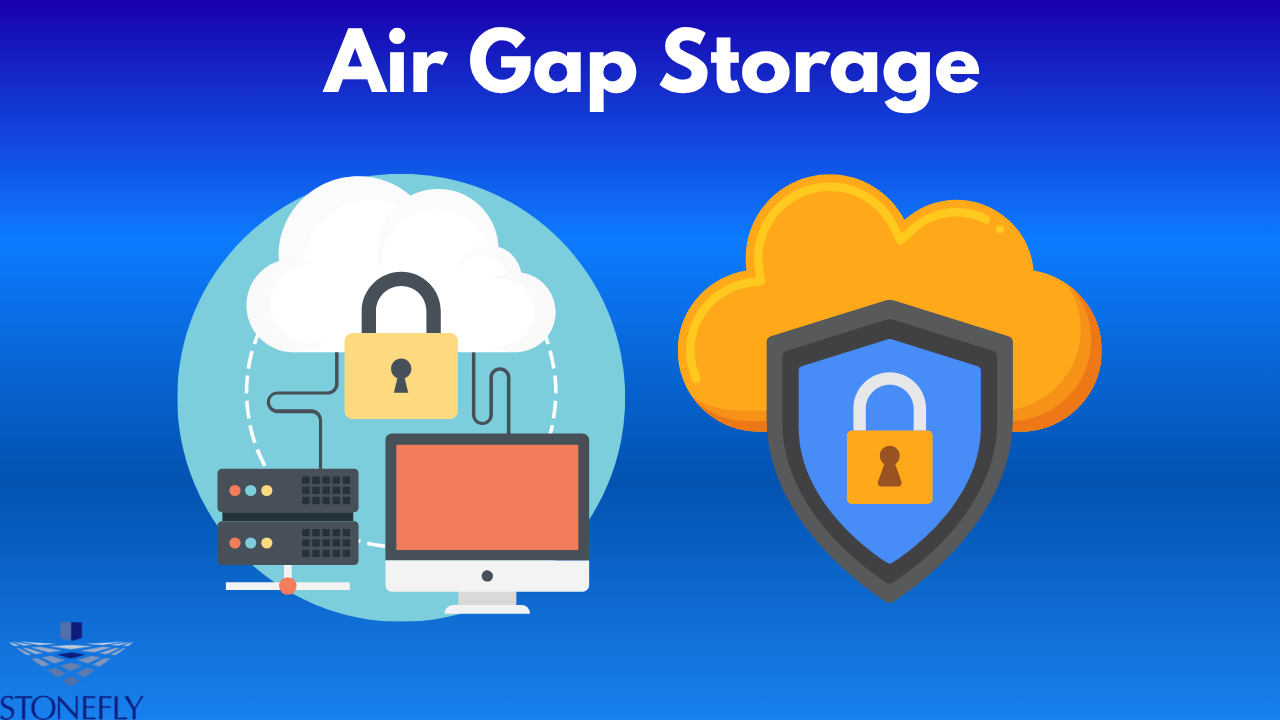
Cybersecurity threats continue to evolve, targeting not only production systems but also backup repositories and archival data. This is where Air Gapped Storage becomes a mission-critical solution. By isolating storage systems from active networks, organizations create a protective barrier that prevents unauthorized access, ransomware encryption, and malicious deletion of data. In an era where data integrity defines business continuity, isolation-based storage architecture is no longer optional — it is essential.
Modern enterprises require storage systems that combine security, performance, and scalability. Isolated storage environments provide exactly that by removing direct connectivity while maintaining controlled access for authorized operations.
Understanding Air-Gapped Storage Architecture
Air-gapped architecture refers to a storage environment that is physically or logically separated from the primary production network. This separation ensures that even if attackers compromise servers or endpoints, they cannot reach the protected storage layer.
Physical Isolation
In this approach, storage hardware remains disconnected from any external or internal network unless manually connected for data transfer. This eliminates remote attack vectors entirely.
Logical Isolation
Logical air gaps rely on software controls, timed access windows, access policies, and network segmentation to prevent unauthorized connectivity.
Immutable Data Protection
Many modern platforms include immutability features, ensuring stored data cannot be modified or deleted for a defined retention period.
Together, these elements create a storage infrastructure designed to withstand advanced cyber threats.
Why Businesses Need Isolated Storage Today
Traditional storage systems are often continuously connected to networks. While convenient, this exposes them to serious risks.
Rising Ransomware Attacks
Attackers specifically target backup and storage repositories to prevent recovery.
Insider Threats
Unauthorized internal access can result in accidental or intentional data loss.
Compliance Pressure
Regulations across industries demand stricter data protection and retention measures.
Business Continuity Demands
Downtime costs continue to increase, making secure recovery capabilities a financial necessity.
Implementing Air Gapped Storage directly addresses these risks by removing persistent connectivity and enforcing strict access controls.
Core Benefits of Air-Gapped Storage Solutions
Maximum Data Protection
Isolation drastically reduces the attack surface and prevents remote compromise.
Reliable Disaster Recovery
Clean, untampered copies of data ensure fast restoration during incidents.
Enhanced Regulatory Compliance
Industries such as healthcare, banking, and government benefit from secure, retention-based storage policies.
Long-Term Data Integrity
Data remains protected from corruption, tampering, and unauthorized modification.
Improved Cyber Insurance Readiness
Organizations with isolated storage architectures often meet stricter insurance underwriting requirements.
Key Features to Look for in a Secure Storage Platform
When selecting a solution, organizations should prioritize the following capabilities:
Automated Isolation Policies
Scheduled or policy-driven disconnection reduces Human error.
Role-Based Access Control
Granular permissions limit who can access sensitive storage environments.
Encryption Standards
Strong encryption protects data both at rest and during controlled transfers.
Audit Logging
Tamper-proof logs provide full visibility into access and activity.
Scalability
The system must grow alongside organizational data demands.
A well-designed Air Gapped Storage platform integrates all these features into a centralized management interface, simplifying administration without compromising security.
Air-Gapped Storage vs Traditional Network Storage
The differences between isolated and connected storage environments are significant.
Network-connected storage offers convenience but remains vulnerable to malware spread. In contrast, isolated storage prioritizes security by design. While traditional systems focus on accessibility, air-gapped environments focus on survivability during cyber incidents.
Organizations that adopt isolation strategies significantly reduce the likelihood of catastrophic data loss.
Implementation Best Practices
Identify Critical Data Sets
Not all data requires air-gap protection. Focus on mission-critical workloads, intellectual property, compliance records, and backup repositories.
Define Retention and Immutability Policies
Establish clear rules for how long data must remain protected and unaltered.
Automate Processes
Automation reduces manual intervention, which minimizes operational errors.
Conduct Regular Recovery Testing
Frequent restoration tests confirm that stored data remains intact and accessible when needed.
Integrate with Security Frameworks
Isolated storage should align with broader cybersecurity strategies including endpoint protection and identity management.
Industry Applications
Healthcare
Patient records and diagnostic data must remain secure and compliant with strict privacy standards.
Financial Services
Transaction records and audit logs require long-term, tamper-proof retention.
Government and Defense
Sensitive infrastructure and classified information demand maximum isolation.
Manufacturing and Engineering
Intellectual property, blueprints, and proprietary research must remain protected from espionage and sabotage.
Across these sectors, Air Gapped Storage serves as a foundational layer of digital resilience.
Addressing Common Concerns
Some organizations hesitate due to perceived complexity or cost. However, modern storage appliances and software-defined solutions have simplified deployment significantly. Automation reduces management overhead, and scalable architectures prevent unnecessary hardware investments.
Another misconception is that isolation slows down data access. In reality, structured access workflows ensure secure retrieval without compromising protection standards.
Future Trends in Isolated Storage
As cyberattacks become more automated and AI-driven, connected systems will face increasing exposure. The future of enterprise data protection lies in layered defenses where isolation plays a central role.
Emerging technologies are enhancing air-gap strategies through intelligent policy engines, anomaly detection, and seamless integration with hybrid infrastructures. These advancements make isolated storage both secure and operationally efficient.
Organizations that proactively adopt these strategies position themselves ahead of evolving threat landscapes.
Conclusion
In today’s high-risk digital environment, relying solely on traditional storage systems is no longer sufficient. Air Gapped Storage provides a robust, proactive defense against ransomware, insider threats, and data breaches by removing persistent network exposure. Through isolation, immutability, encryption, and controlled access, businesses can safeguard their most valuable asset — their data.
Implementing an isolated storage strategy strengthens disaster recovery capabilities, enhances compliance readiness, and ensures long-term operational resilience. For organizations serious about cybersecurity, air-gapped architecture is not just an upgrade; it is a strategic necessity.
FAQs
1. How is air-gapped storage different from encrypted storage?
Encryption protects data content, while air-gapping protects access pathways. Together, they provide layered security.
2. Can air-gapped storage be automated?
Yes, modern solutions allow scheduled or policy-driven isolation without manual intervention.
3. Does isolated storage support large-scale enterprises?
Absolutely. Scalable architectures allow organizations to expand capacity as data grows.
4. How often should recovery tests be performed?
Most experts recommend quarterly testing, though critical industries may test monthly.
5. Is air-gapped storage suitable for hybrid environments?
Yes, it can integrate with hybrid infrastructures while maintaining isolation controls.