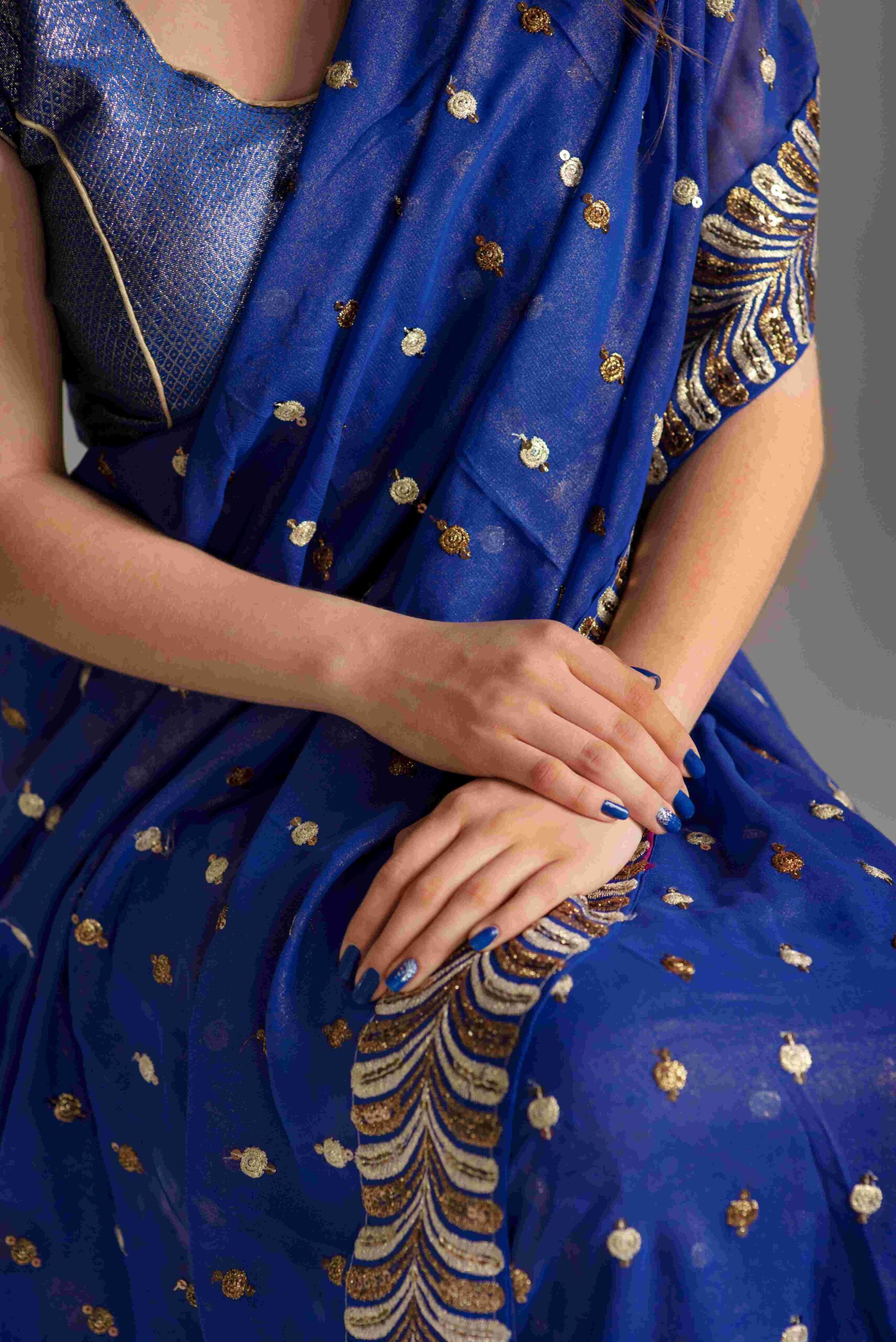
The legendary Banarasi silk saree stands as one of India’s most treasured textile traditions, originating from the ancient city of Varanasi (Banaras). These opulent garments represent the perfect marriage of Mughal artistry and Hindu weaving traditions, creating masterpieces that have adorned brides and graced special occasions for over four centuries. The intricate brocade work, luxurious silk fabric, and distinctive designs make each piece a wearable work of art.
What distinguishes Banarasi silk sarees from other varieties is the unique weaving technique involving supplementary weft brocading. This method creates raised patterns that appear embroidered but are actually woven into the fabric structure itself. The process uses multiple shuttles simultaneously—some for the base fabric and others for the decorative patterns. This complexity requires exceptional skill and coordination, with master weavers spending weeks or even months creating a single elaborate saree.
The silk used in authentic pieces comes from fine quality mulberry silk, providing the characteristic lustrous sheen and smooth texture. The fabric’s weight varies depending on the amount of zari work incorporated, with heavily decorated pieces feeling substantially heavier than lighter designs. This weight contributes to the saree’s impressive drape, creating elegant folds and a regal fall that enhances the wearer’s silhouette. The substantial feel assures wearers they’re carrying centuries of tradition and craftsmanship.
Signature motifs in Banarasi silk sarees draw from Mughal art and Indian mythology. Floral patterns called bel, jangla featuring dense vine and flower work, and elaborate kalga and bel designs showcase botanical inspiration. Animals including peacocks and elephants symbolize beauty and prosperity. Geometric patterns called jaal create mesmerizing all-over designs. The interplay of these motifs across the body, border, and pallu creates visual narratives that reflect cultural heritage.
Zari work represents the soul of Banarasi sarees, with pure gold and silver threads creating the characteristic shimmer. Traditional kadhua technique allows disconnected booti (small motifs) across the fabric, with weavers manually creating each design element. This labor-intensive process produces exquisite results but requires exceptional skill and patience. The quality and purity of zari significantly influence the saree’s value, with pure gold zari commanding premium prices due to its longevity and unchanging luster.
Color traditions in Banarasi silk sarees reflect both classical preferences and contemporary trends. Classic bridal colors include deep reds, maroons, and pinks representing fertility and celebration. Royal purple and blue shades evoke nobility and elegance. Emerald green symbolizes growth and prosperity. Traditional weaving often contrasts body color with border and pallu colors, creating dramatic visual interest. Modern interpretations introduce pastels, nudes, and even black, expanding options for different occasions and personal tastes.
The significance of these sarees in Indian bridal traditions cannot be overstated. North Indian brides particularly favor Banarasi sarees, often wearing red or pink variants during wedding ceremonies. The saree becomes part of the bride’s trousseau, representing her family’s blessings and hopes for prosperity. Many families invest in multiple Banarasi sarees for their daughters, viewing them as both fashion investments and emotional heirlooms that pass through generations, accumulating family history and sentiment with each wearing.
Types of Banarasi sarees offer diverse aesthetic choices. Pure silk (Katan) sarees feature fine silk threads creating lightweight, lustrous fabrics. Organza (Kora) varieties provide sheer, translucent beauty perfect for warmer weather. Georgette and Shattir types offer different textures and draping qualities. Jangla sarees display elaborate all-over patterns, while Tanchoi pieces showcase satin weave techniques. Understanding these variations helps buyers select pieces matching their preferences and occasions.
Authentication of genuine Banarasi silk sarees requires knowledgeable examination. Look for the silk mark label certifying pure silk content. Examine the reverse side—handwoven pieces show loose threads and slightly irregular patterns that machines cannot replicate. Pure zari appears slightly dull and tarnishes over time, unlike synthetic alternatives that maintain constant shine. The weaving should show no gaps or breaks in patterns. Purchasing from reputable weavers or certified dealers provides the best assurance of authenticity.
Occasions for wearing these prestigious sarees extend beyond weddings. Religious ceremonies, particularly in temples of Varanasi and across North India, see devotees wearing Banarasi sarees as expressions of devotion and respect. Major festivals like Diwali, Durga Puja, and Eid provide perfect settings for showcasing these elegant garments. Classical dance performances, particularly Kathak and Bharatanatyam, utilize the saree’s rich aesthetic to enhance stage presence. Any celebration requiring traditional elegance becomes appropriate for these magnificent textiles.
Styling considerations enhance the Banarasi saree’s natural beauty. Traditional gold jewelry, particularly temple jewelry and antique pieces, complement the zari work beautifully. Contemporary jewelry in contrasting metals can create striking modern looks. Hairstyles typically feature elegant buns adorned with flowers or decorative accessories. Makeup often emphasizes eyes with kohl and bold lips in reds or deep pinks. The blouse design significantly impacts the overall aesthetic—traditional short sleeves and high necks offer classic appeal, while contemporary designs with interesting necklines and back patterns create modern fusion styles.
The weaving community in Varanasi faces challenges maintaining their centuries-old craft. Competition from machine-made imitations and power loom alternatives threatens traditional livelihoods. Economic pressures and changing market demands have reduced the number of active weavers. However, growing appreciation for authentic handwoven textiles and government support schemes provide hope. Conscious consumers choosing genuine Banarasi sarees over cheaper alternatives directly support these artisan communities and help preserve invaluable cultural heritage.
Care requirements for these precious textiles ensure longevity across generations. Professional dry cleaning by specialists experienced with silk and zari prevents damage to delicate fabrics and metallic threads. Storage in cool, dry environments away from direct sunlight preserves colors and prevents fading. Wrapping in unbleached muslin allows fabric to breathe while protecting against dust and pests. Avoid plastic covers that trap moisture and encourage mildew. Periodic airing and gentle refolding along different lines prevent permanent creases.
The investment value of authentic Banarasi silk sarees makes them both fashion choices and financial assets. Quality pieces appreciate in value over time, particularly those featuring pure gold zari and intricate handwork. Families consider these sarees investments that provide beauty, cultural connection, and financial security. The cost per wearing over decades makes them economically sensible despite significant initial investments. Insurance documentation and proper appraisals protect these valuable textiles.
Modern designers reinterpret Banarasi silk sarees for contemporary tastes while respecting traditional craftsmanship. Lighter-weight versions cater to women seeking comfort without sacrificing elegance. Unconventional color combinations attract younger buyers. Fusion designs incorporating Western elements like crop top blouses or different draping styles create fresh aesthetics. Digital technology assists in design development while maintaining handweaving techniques. These innovations ensure the tradition remains vibrant and relevant for new generations.
The emotional resonance of wearing a Banarasi silk saree connects women to centuries of cultural heritage. The knowledge that skilled artisans spent months creating each piece adds profound meaning to these garments. Wearing a Banarasi saree during life’s significant moments—weddings, festivals, important ceremonies—creates lasting memories tied to cultural identity. The ritual of selecting, wearing, and eventually passing down these sarees strengthens family bonds and preserves traditions. This deep cultural significance ensures that Banarasi silk sarees will continue gracing celebrations and honoring traditions for generations to come.