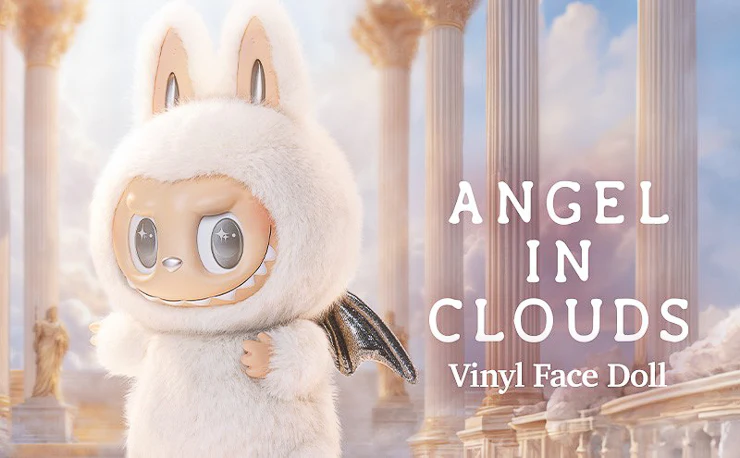
In the world of designer collectibles, few figures manage to blur the line between art, emotion, and storytelling quite like Labubu dolls. At first glance, Labubu’s wide eyes, mischievous grin, and slightly eerie charm might suggest a playful fantasy character. But spend a moment longer with one, and it becomes clear that Labubu is not just a doll—it’s a narrative frozen in vinyl. Each designer Labubu feels like a character pulled from a half-remembered dream, carrying emotions, memories, and secrets that invite interpretation.
Unlike mass-produced toys created solely for play, Labubu belongs to a growing movement of designer art toys that prioritize expression over function. These dolls are meant to be observed, collected, and emotionally engaged with. They don’t shout their stories outright; instead, they whisper them through subtle details—posture, color choices, costumes, and facial expressions that feel intentionally imperfect. That imperfection is exactly where the story begins.
A Face That Speaks Without Words
One of the most powerful storytelling tools in Labubu dolls is the face. Labubu expressions are deceptively simple, yet deeply evocative. The large eyes often reflect curiosity, wonder, or quiet sadness, while the crooked smile can feel playful one moment and unsettling the next. This emotional ambiguity allows collectors to project their own experiences onto the doll, transforming it into a mirror of personal feeling.
In traditional storytelling, characters are defined by dialogue and action. Labubu, however, tells its story through silence. The face becomes a canvas where emotions are implied rather than explained. Some Labubu designs look like they’ve just played a mischievous prank; others appear as if they’re waiting for something—or someone—that may never come. This emotional openness is intentional, making each doll a living story that evolves with the viewer’s imagination.
Costumes as Chapters in a Visual Narrative
Every designer Labubu doll is dressed with purpose. Costumes are not decorative afterthoughts; they are narrative devices. A Labubu wearing tattered clothing might suggest a wanderer from a forgotten land, while one dressed in elaborate fantasy attire feels like a character mid-journey in a mythical world. Each outfit functions as a chapter, hinting at where Labubu has been and what it has endured.
Textures and materials also play a crucial role. Soft, muted fabrics can evoke nostalgia and vulnerability, while bold colors and sharp details suggest rebellion or confidence. Some editions reference folklore, others childhood memories, and some explore darker themes like loneliness, fear, or transformation. The costume doesn’t tell you the whole story—it gives you just enough clues to imagine the rest.
Worlds Built in Miniature
What truly sets designer Labubu Canda dolls apart is the sense that they belong to fully realized worlds. Even when displayed alone on a shelf, a Labubu doll feels like it has stepped out of a larger universe. This is achieved through cohesive design language—recurring symbols, themes, and emotional tones that connect different releases together.
Collectors often speak about Labubu dolls as if they are characters in an ongoing saga. One doll might feel like the innocent beginning of a journey, while another represents loss, growth, or resilience. When multiple Labubu figures are displayed together, they don’t feel like separate objects; they feel like a cast. Each one adds context to the others, expanding the narrative in quiet, powerful ways.
Emotional Storytelling Through Color and Form
Color is one of the most underestimated storytelling tools in Labubu design. Soft pastels often convey dreamlike innocence or childhood memories, while darker palettes hint at mystery or emotional depth. Even the smallest color choice—blush on the cheeks, shadows under the eyes—can dramatically change the story a Labubu tells.
Form matters just as much. The proportions of Labubu dolls are intentionally exaggerated: large heads, small bodies, slightly awkward stances. This design language creates vulnerability. Labubu doesn’t stand tall like a hero; it exists like a fragile being navigating a complex world. That vulnerability resonates deeply with collectors, making the doll feel relatable rather than untouchable.
Limited Editions and the Power of Rarity
Part of Labubu’s storytelling magic lies in scarcity. Limited editions feel like rare story fragments—moments captured once and never repeated. When a particular Labubu design is released in limited numbers, it gains a sense of urgency and significance, much like a rare chapter in a beloved book.
Collectors don’t just seek these dolls for their value; they seek them for the stories they represent. Owning a rare Labubu feels like holding a piece of an emotional timeline, a moment in the evolution of the character and the artist behind it. This rarity adds weight to the narrative, making each doll feel like a meaningful artifact rather than a disposable object.
The Artist’s Voice Behind the Doll
Every Labubu doll carries the invisible presence of its creator. The artist’s emotions, inspirations, and personal experiences are embedded in the design, even if they’re never explicitly stated. This human touch is what separates designer Labubu dolls from factory-made figures. You can feel intention in every curve, every color decision, every tiny flaw.
These dolls often reflect themes of childhood imagination, emotional complexity, and the tension between innocence and darkness. The artist doesn’t dictate how the story should be interpreted; instead, they open a door and invite the collector to step inside. That collaborative storytelling—between artist and audience—is what gives Labubu its lasting emotional impact.
Why Collectors Form Emotional Bonds With Labubu
People don’t just collect Labubu dolls; they connect with them. Many collectors describe a sense of comfort, nostalgia, or even companionship when interacting with their Labubu figures. This emotional bond comes from the doll’s ability to feel “alive” without movement or speech.
Labubu represents feelings that are often hard to articulate—melancholy, hope, mischief, vulnerability. In a world that moves fast and demands constant performance, Labubu exists quietly, unapologetically emotional. That honesty resonates deeply, especially with adults who long for a reconnection with imagination and emotional expression.
Storytelling That Lives Beyond the Shelf
The story of a Labubu doll doesn’t end when it’s placed on display. For many collectors, the narrative continues through photography, dioramas, and online communities where Labubu figures are reimagined in new settings and stories. Each photo, each setup, becomes a new chapter written by the collector.
This participatory storytelling is one of Labubu’s greatest strengths. The doll is not static—it evolves. Its story changes depending on who owns it, how it’s displayed, and what emotions it reflects at different moments in time. In this way, Labubu becomes a living story, constantly rewritten yet always emotionally true.
Labubu as a Symbol of Modern Art Toys
Designer Labubu dolls represent a shift in how we define art, toys, and storytelling. They exist in the space between all three, challenging traditional categories. They prove that a small figure can carry as much narrative depth as a novel, as much emotional resonance as a painting.
In telling stories without words, Labubu invites us to slow down, observe, and feel. It reminds us that stories don’t always need clear beginnings or endings. Sometimes, the most powerful stories are the ones we quietly carry with us—just like a Labubu doll sitting on a shelf, watching, waiting, and telling its story in silence.