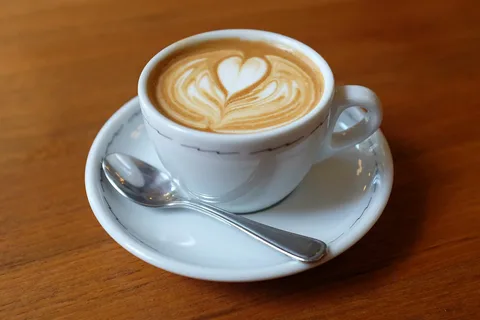
Coffee and desserts have become more than a simple pairing in the UK—they represent a growing cultural habit where people gather, unwind, and explore flavors. From independent bakeries to contemporary café spaces, the combination of a well-crafted coffee and a thoughtfully prepared dessert has evolved into a defining element of urban dining. For many consumers, a café dessert is no longer an afterthought but a central part of the experience.
This shift reflects broader changes in lifestyle, where convenience meets quality and small indulgences play a meaningful role in daily routines. Understanding how coffee and dessert culture has developed helps explain why cafés continue to thrive across cities and towns.
The Rise of Coffee and Dessert Pairings
The relationship between coffee and desserts is rooted in balance. Coffee’s natural bitterness complements the sweetness of baked goods, creating a sensory contrast that enhances both elements. In the UK, this pairing has grown in popularity alongside the expansion of specialty coffee culture.
Consumers are increasingly aware of flavor profiles. A rich espresso paired with a chocolate brownie, or a lighter roast served with a citrus tart, demonstrates how cafés curate experiences rather than simply offering items on a menu. This attention to pairing reflects a more informed audience that values taste harmony and quality ingredients.
Cafés now train staff to understand these combinations, much like sommeliers in the wine industry. This level of expertise contributes to a more refined and enjoyable experience for customers.
Understanding the Modern Cafe Dessert
A cafe dessert today is defined by more than just sweetness. Presentation, texture, and ingredient sourcing all play a role in shaping customer expectations. Unlike traditional restaurant desserts, café offerings tend to be lighter, more accessible, and suitable for casual consumption.
Popular choices across the UK include:
- Artisan cakes with seasonal ingredients
- Handmade pastries such as croissants and danishes
- Individual desserts like cheesecakes or tiramisu cups
- Plant-based or gluten-free options
These items are designed for flexibility—whether someone is meeting friends, working remotely, or taking a short break during the day.
An important aspect of modern café desserts is portion size. Smaller servings encourage customers to enjoy a treat without feeling overly indulgent, aligning with current preferences for moderation.
The Influence of Specialty Coffee Culture
The rise of specialty coffee has significantly influenced dessert offerings. As consumers become more selective about their coffee—considering origin, roast level, and brewing method—desserts must match that level of quality.
For example, a single-origin pour-over coffee with fruity notes pairs well with desserts that highlight similar flavors, such as berry tarts or lemon cakes. This alignment enhances the overall experience and reflects a thoughtful approach to menu design.
Cafés often rotate their dessert selections to complement seasonal coffee offerings. This practice not only keeps menus fresh but also encourages repeat visits from customers interested in trying new combinations.
Social Spaces and Consumer Behavior
Cafés in the UK have evolved into social hubs where food plays a supporting yet essential role. Coffee and desserts are often consumed in environments designed for comfort and connection.
Several factors influence this behavior:
- Work culture shifts: Remote work has increased demand for relaxed spaces with quality refreshments
- Social media influence: Visually appealing desserts attract attention and encourage sharing
- Time-conscious lifestyles: Quick yet satisfying food options are preferred
A café dessert, in this context, becomes part of a broader experience rather than a standalone item. Customers are not just purchasing food; they are engaging with a space that offers both convenience and atmosphere.
Ingredient Transparency and Quality Standards
Modern consumers are more informed about what they eat. This awareness has pushed cafés to prioritize transparency in ingredients and preparation methods.
Common trends include:
- Use of locally sourced produce
- Reduction of artificial additives
- Clear labeling of dietary information
These practices build trust and align with the expectations of a health-conscious audience. While desserts remain indulgent by nature, the emphasis on quality ingredients allows customers to make more informed choices.
In this evolving landscape, brands like Cremadolce have contributed to shaping expectations around consistency and craftsmanship, particularly in combining traditional dessert techniques with modern café culture.
Seasonal Trends and Innovation
Seasonality plays a key role in both coffee and dessert menus. During colder months, richer flavors such as chocolate, caramel, and spices dominate. In contrast, warmer seasons bring lighter options like fruit-based desserts and iced coffee pairings.
Innovation is also evident in the blending of global influences. Matcha desserts, Middle Eastern pastries, and Scandinavian-style baked goods are increasingly common in UK cafés. This diversity reflects the multicultural nature of the food scene and introduces customers to new tastes.
Experimentation extends to presentation as well. Layered desserts in jars, deconstructed pastries, and minimalist plating styles all contribute to a modern aesthetic that appeals to contemporary audiences.
Conclusion
Coffee and desserts have become an integral part of the UK’s café culture, offering more than just refreshment. They represent a balance of flavor, craftsmanship, and social experience that continues to evolve with changing consumer preferences.
From carefully curated pairings to the thoughtful design of a cafe dessert, the focus remains on quality and authenticity. As cafés adapt to new trends and expectations, they continue to play a significant role in shaping how people enjoy everyday food moments.