Introduction
The rapid adoption of unmanned aerial vehicles (UAVs), commonly known as drones, has transformed the inspection industry. From infrastructure and energy facilities to construction projects and industrial assets, UAV technology enables organizations to perform inspections more efficiently, safely, and cost-effectively than traditional methods. However, not all drone inspection providers operate at the same standard. This is where an aviation certified UAV inspection company plays a critical role.
Aviation certification demonstrates that a UAV inspection provider adheres to recognized aviation regulations, operational procedures, safety standards, and pilot competency requirements. These certifications help ensure that inspections are conducted professionally while minimizing risks to personnel, equipment, and surrounding environments.
As industries increasingly rely on drone-based inspections for critical assets, selecting an aviation certified UAV inspection company becomes essential. Companies need assurance that the data they receive is accurate, the operations are compliant with regulations, and the inspection process follows industry best practices.
At Gulfnet, aviation certification is more than a regulatory requirement—it is a commitment to delivering safe, reliable, and high-quality UAV inspection services. This article explores why aviation certification matters in UAV inspection operations and how certified providers help organizations achieve better inspection outcomes.
Understanding UAV Inspection Operations
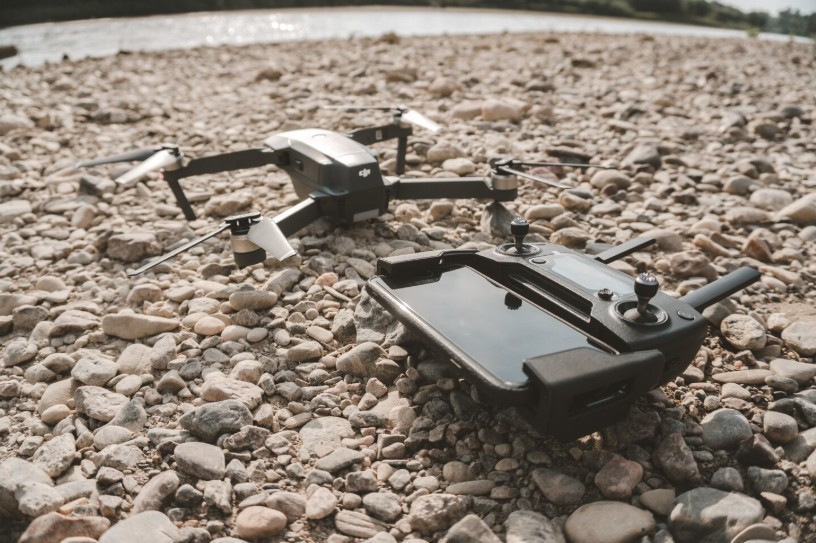
UAV inspection operations involve using drones equipped with advanced cameras, sensors, thermal imaging systems, and data collection technologies to inspect assets and infrastructure.
Common applications include:
- Power transmission lines
- Solar farms
- Wind turbines
- Oil and gas facilities
- Telecommunications towers
- Bridges and highways
- Construction projects
- Industrial plants
- Pipelines and storage tanks
Traditional inspections often require scaffolding, rope access technicians, helicopters, or manual inspections in hazardous locations. UAVs eliminate many of these risks by allowing inspectors to collect detailed visual and thermal data remotely.
However, operating drones around critical infrastructure requires specialized expertise, safety management, and regulatory compliance. This is why aviation certification has become a key differentiator in the industry.
What Is an Aviation Certified UAV Inspection Company?
An aviation certified UAV inspection company is an organization that operates UAV services under recognized aviation regulations and standards. Certification typically involves compliance with aviation authority requirements, pilot qualifications, operational procedures, risk assessments, maintenance protocols, and safety management systems.
These companies demonstrate their ability to:
- Conduct safe flight operations
- Manage operational risks
- Follow aviation regulations
- Maintain equipment properly
- Train qualified pilots
- Protect public safety
- Deliver reliable inspection data
An aviation certified UAV inspection company must consistently meet strict operational standards to maintain certification and regulatory approval.
The Importance of Safety in UAV Inspections
Safety remains the primary reason aviation certification matters.
Drone inspections often occur in complex environments such as:
- High-voltage power networks
- Offshore facilities
- Industrial plants
- Busy construction sites
- Urban environments
- Transportation infrastructure
Without proper safety procedures, UAV operations can create risks for workers, equipment, and nearby communities.
Certified operators follow detailed safety protocols, including:
Risk Assessments
Before every mission, certified teams conduct thorough risk assessments to identify hazards and implement mitigation measures.
Flight Planning
Comprehensive flight planning helps ensure safe routes, operational boundaries, emergency procedures, and compliance requirements.
Emergency Procedures
Aviation-certified organizations establish emergency response protocols for equipment failures, communication loss, weather changes, or unexpected incidents.
Pilot Competency
Certified pilots undergo training and evaluations to maintain safe operational standards.
By prioritizing safety, an aviation certified UAV inspection company significantly reduces operational risks.
Regulatory Compliance and Legal Protection
Drone regulations continue to evolve worldwide. Regulatory authorities establish rules regarding:
- Flight permissions
- Airspace restrictions
- Pilot licensing
- Operational limitations
- Data protection
- Safety requirements
Non-compliant operations can result in:
- Financial penalties
- Project delays
- Legal liabilities
- Reputational damage
Working with an aviation certified UAV inspection company helps organizations avoid these risks. Certified providers understand current regulations and ensure operations remain compliant throughout every project.
For clients, this translates into greater confidence and reduced legal exposure.
Improved Data Accuracy and Reliability
The value of a UAV inspection depends on the quality of the collected data.
Aviation-certified operators follow standardized procedures that improve:
- Data consistency
- Image quality
- Inspection repeatability
- Reporting accuracy
- Asset condition analysis
Because certified teams operate according to documented workflows, inspections can be repeated under similar conditions, allowing organizations to track asset performance over time.
This consistency is particularly important for industries that rely on predictive maintenance and long-term asset management strategies.
Professional Training and Pilot Expertise
A key advantage of working with an aviation certified UAV inspection company is access to highly trained personnel.
Certified UAV pilots receive training in:
- Aviation regulations
- Airspace management
- Flight operations
- Weather assessment
- Emergency response
- Equipment management
- Mission planning
In addition to flight skills, many certified inspection specialists understand industry-specific requirements, enabling them to identify asset defects more effectively.
This combination of aviation expertise and inspection knowledge delivers superior results for clients.
Risk Reduction for Critical Infrastructure
Critical infrastructure operators face significant challenges when inspecting essential assets.
Examples include:
- Power utilities
- Oil and gas facilities
- Telecommunications networks
- Transportation systems
- Water treatment plants
Failures in these systems can lead to substantial financial and operational consequences.
An aviation certified UAV inspection company helps reduce risk by providing:
- Early defect detection
- Safer inspection methods
- Accurate condition assessments
- Faster response times
- Improved maintenance planning
These advantages support proactive asset management and minimize unexpected failures.
Enhanced Operational Efficiency
Efficiency is one of the primary reasons organizations adopt drone inspections.
Certified UAV operations improve efficiency through:
Faster Inspections
Large assets can be inspected in hours rather than days.
Reduced Downtime
Many inspections can occur without shutting down operations.
Improved Accessibility
Drones can access difficult or dangerous locations safely.
Better Resource Utilization
Organizations can reduce labor requirements and equipment costs.
An aviation certified UAV inspection company ensures these efficiency gains are achieved without compromising safety or quality.
Advanced Technology Integration
Certified providers often invest in advanced inspection technologies, including:
- High-resolution cameras
- Thermal imaging systems
- LiDAR sensors
- AI-powered analytics
- Digital twin solutions
- 3D modeling software
These technologies provide deeper insights into asset conditions and support more informed decision-making.
At Gulfnet, advanced UAV technologies enable clients to detect issues earlier, optimize maintenance schedules, and improve operational performance.
Industry Applications for Certified UAV Inspections
Energy Sector
Power utilities use UAVs to inspect transmission lines, substations, and renewable energy assets.
Oil and Gas
Drone inspections support safer monitoring of pipelines, tanks, flare stacks, and offshore platforms.
Telecommunications
Tower inspections can be completed quickly without requiring technicians to climb structures.
Construction
Project managers use UAVs for site monitoring, progress tracking, and quality assurance.
Transportation
Bridges, highways, rail systems, and airports benefit from detailed aerial inspections.
In each of these sectors, an aviation certified UAV inspection company provides the expertise needed to conduct safe and reliable operations.
Why Choose Gulfnet as Your Aviation Certified UAV Inspection Company?
Gulfnet combines aviation-certified expertise with advanced inspection technologies to deliver comprehensive UAV inspection solutions.
Our commitment includes:
- Strict adherence to aviation standards
- Highly trained UAV professionals
- Advanced sensor technologies
- Comprehensive safety management
- Accurate inspection reporting
- Reliable project execution
- Regulatory compliance support
By maintaining high operational standards, Gulfnet helps clients improve safety, reduce costs, and maximize asset performance.
Conclusion
safe drone inspection for oil pipelines without shutdown in UAE. As drone technology becomes increasingly important across industries, the need for professional and compliant inspection services continues to grow. Choosing an aviation certified UAV inspection company is essential for ensuring safety, regulatory compliance, operational reliability, and high-quality inspection results.
Certification demonstrates a company’s commitment to aviation best practices, risk management, pilot competency, and data accuracy. Organizations that partner with certified providers gain confidence that inspections are performed according to recognized standards while minimizing operational risks.
Gulfnet remains dedicated to delivering industry-leading UAV inspection services through aviation-certified operations, advanced technology, and a strong focus on safety and quality. By working with an aviation certified UAV inspection company, businesses can protect critical assets, improve maintenance planning, and achieve greater operational efficiency for the future.