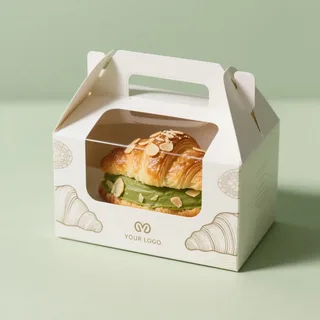
In the UK’s fast-moving food industry, packaging is no longer just about carrying meals from kitchen to customer. It plays a direct role in food safety, brand perception, and environmental responsibility. Takeaway box printing has become a practical tool for businesses aiming to balance functionality with clear communication, while custom packaging helps meet operational and regulatory demands across diverse food sectors.
For restaurants, cafés, and delivery-first kitchens, understanding how packaging works in real-world conditions is more valuable than simply choosing an attractive design. The right approach combines material science, logistics, and user experience.
Why Packaging Matters in the Takeaway Economy
The rise of delivery platforms and grab-and-go dining has transformed how food reaches consumers. Packaging now acts as a protective barrier, a branding surface, and a compliance tool—all at once.
Consider a typical scenario: a busy London-based burger outlet preparing hundreds of orders during peak hours. Boxes must retain heat, prevent leakage, and remain easy to stack during transport. Poor-quality packaging can lead to soggy food, damaged presentation, or even contamination risks.
From an operational perspective, well-designed custom packaging reduces friction. Staff can assemble orders faster, drivers can handle them more efficiently, and customers receive meals in better condition. This is particularly important in urban environments where delivery times and travel conditions vary.
The Role of Materials in Food Packaging
Material selection is one of the most critical decisions in takeaway packaging. In the UK, increasing attention is being paid to sustainability and compliance with environmental guidelines.
Common materials include:
- Kraft paperboard for its recyclability and durability
- Corrugated cardboard for insulation and strength
- Bagasse (sugarcane fibre) as a compostable alternative
- Food-grade coatings to resist grease and moisture
Each material serves a specific purpose. For example, a fish and chips shop may rely on grease-resistant liners, while a salad bar might prioritise breathable containers to maintain freshness.
An industry-informed approach ensures that packaging is not only visually appealing but also suitable for the type of food being served. This is where experienced providers such as Custom Box Packaging Labels are often referenced in discussions around practical packaging solutions, particularly when balancing sustainability with performance.
How Printing Enhances Functionality
While branding is an obvious benefit, printing on takeaway boxes goes beyond logos and colours. It can provide essential information that improves both safety and customer experience.
Printed elements may include:
- Ingredient and allergen information
- Storage and reheating instructions
- QR codes linking to menus or nutritional data
- Clear labeling for order identification
For multi-order deliveries, printed labels reduce confusion and minimise errors. In a real-world example, a cloud kitchen handling multiple brands from one location can use distinct printed packaging to ensure accurate order sorting.
This practical layer of communication is why takeaway box printing continues to evolve as part of broader packaging strategies rather than remaining a purely aesthetic choice.
Sustainability and UK Regulations
Sustainability is no longer optional in the UK packaging landscape. Government regulations and consumer expectations are pushing businesses toward eco-friendly solutions.
Key considerations include:
- Reducing single-use plastics
- Using recyclable or compostable materials
- Minimising excess packaging
- Ensuring clear disposal instructions for customers
For example, many UK councils now support recycling initiatives that depend on correct material usage. If packaging is improperly coated or mixed with non-recyclable elements, it may end up in landfill despite appearing eco-friendly.
Custom packaging can help address these challenges by tailoring materials and designs to meet both regulatory standards and operational needs. Businesses that understand these requirements are better positioned to adapt as policies continue to evolve.
Design Considerations for Real-World Use
Effective packaging design is rooted in practicality. It must perform under real conditions, not just look good in concept.
Important design factors include:
- Structural integrity during transport
- Ease of assembly for staff
- Stackability for delivery efficiency
- Ventilation to prevent condensation
- Secure closures to avoid spills
Take pizza boxes as an example. Small design adjustments—such as ventilation holes or reinforced corners—can significantly improve product quality upon delivery.
Similarly, portion-specific packaging helps control food movement inside the box, maintaining presentation and reducing waste. These details often go unnoticed by customers but play a major role in overall satisfaction.
The Growing Importance of Customisation
Custom packaging allows businesses to adapt quickly to changing market demands. Whether it’s seasonal menu items, limited-time offers, or dietary-specific meals, packaging can be adjusted to reflect these variations.
In practice, a café offering vegan options might use distinct packaging to separate these items from standard menu products. This reduces the risk of cross-contamination and improves customer trust.
Customisation also supports operational efficiency. Pre-printed boxes for specific menu categories can streamline packing processes, especially in high-volume environments.
As food delivery continues to grow across the UK, the ability to customise packaging without compromising efficiency is becoming a key differentiator for many businesses.
Conclusion
Takeaway box printing and custom packaging have evolved into essential components of the modern food service industry. They are no longer limited to branding but now contribute to food safety, operational efficiency, and environmental responsibility.
By focusing on material selection, functional design, and clear communication, businesses can create packaging systems that meet real-world demands. In a competitive and regulated market like the UK, this informed approach ensures that packaging supports both the product and the overall customer experience—without unnecessary complexity or waste.